GLP-1 medications can improve insulin resistance, but mostly by helping you lose weight, and not by fixing the problem directly. Tirzepatide has the strongest data in people without diabetes. Semaglutide’s data on insulin sensitivity is real but of low certainty. Neither drug is FDA-approved to treat insulin resistance itself. A clinician prescribes them for obesity, overweight with a related condition, or type 2 diabetes. Below we cover what the studies show, what happens to blood pressure and heart rate, and who qualifies for a prescription.
Insulin resistance means your muscle, liver and fat cells respond poorly to insulin. The pancreas compensates by making more of it. For a while blood sugar stays normal. Over time the pancreas can’t keep up, and prediabetes or type 2 diabetes follows. Extra weight, especially around the abdomen, is one of the main drivers.
GLP-1 is a gut hormone released after you eat. It raises insulin release when blood glucose is high, slows stomach emptying and reduces appetite. Medications that mimic it are called GLP-1 receptor agonists. If you want the mechanics, our guide to what a GLP-1 receptor agonist is covers them, and so does our piece on GLP-1 and gastric emptying.
The key point is that insulin resistance is a metabolic state, not a drug indication. Ozempic, for example, is indicated to improve glycemic control in adults with type 2 diabetes. It is also indicated to reduce major cardiovascular events in adults with type 2 diabetes and established cardiovascular disease, and to reduce specified kidney and cardiovascular risks in adults with type 2 diabetes and chronic kidney disease, according to its FDA review package. Insulin resistance does not appear on that list. When people say GLP-1 “treats” insulin resistance, they mean it improves the measurements as a downstream effect.
A 2024 perspective in The Lancet Diabetes & Endocrinology states that GLP-1 receptor agonists improve insulin sensitivity secondary to weight loss and support beta-cell function. The same authors note that they do not normalize insulin sensitivity in people with type 2 diabetes and obesity. They conclude that potent, direct insulin-sensitizing drugs remain a large unmet need.
That is a more modest claim than much online marketing makes. In practice:
None of that says the drugs don’t work. It says to be careful about which claim is being made. “Helps you lose weight, which improves insulin sensitivity” is well supported. “Reverses insulin resistance” is not.
Tirzepatide acts on both GIP and GLP-1 receptors, and its insulin data is more detailed.
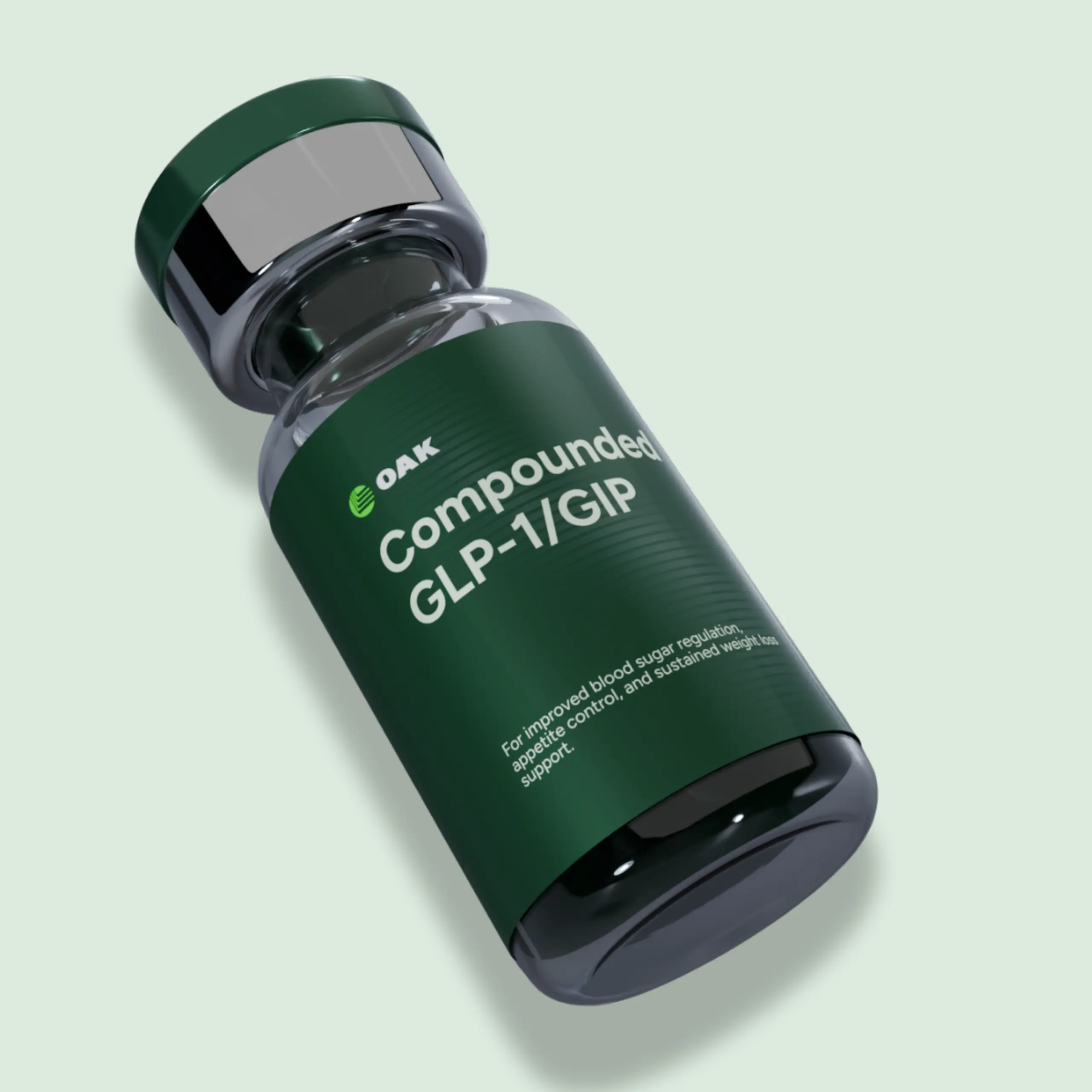
In adults without diabetes. A 2025 post-hoc analysis in Diabetes Care looked at 2,539 adults with overweight or obesity but no diabetes. Over 72 weeks, tirzepatide was associated with improved insulin sensitivity and beta-cell function, whether participants had prediabetes or normal glucose. The improvement in insulin sensitivity was linked mostly to weight reduction and partly to the treatment itself. This is a post-hoc analysis, so it shows an association, not a clean proof of cause.
In type 2 diabetes. In the SURPASS-1 trial, reported by the Endocrine Society, tirzepatide reduced insulin-resistance markers by 9% to 23% from baseline after 40 weeks. Placebo patients saw a 14.7% increase. Fasting insulin fell 2% to 12% on tirzepatide and rose 15% on placebo.

If you’re asking which GLP-1 is best for insulin resistance, no head-to-head trial in the research we reviewed answers that for insulin resistance as an outcome. Tirzepatide has the more detailed evidence in non-diabetic adults, and larger average weight loss generally means a larger insulin-sensitivity gain. The right choice still depends on your history, tolerance and what your physician judges safe.
High blood pressure often travels with insulin resistance, so this is the natural next question. A 2024 study published in Hypertension, summarized by the American Heart Association, found that tirzepatide lowered systolic blood pressure in adults with obesity after 36 weeks. Average reductions were 7.4 mm Hg at 5 mg, 10.6 mm Hg at 10 mg and 8.0 mm Hg at 15 mg, per the AHA newsroom. The AHA also stressed that the drop showed up in both day and night readings. Nighttime systolic pressure is a stronger predictor of cardiovascular death and all-cause mortality.
The wider cardiovascular picture for GLP-1 drugs is encouraging in type 2 diabetes. A 2020 AHA scientific statement noted that these drugs have been shown to reduce the risk of heart attack, ischemic stroke or cardiovascular death in that population.
If you already take blood pressure medication, tell your prescriber before starting. As weight drops and pressure improves, your doses may need review. Don’t adjust them on your own.
The flip side is a small rise in resting heart rate. The numbers from FDA documents are modest:
| Medication | Mean heart-rate change in trials | Placebo |
|---|---|---|
| Ozempic (0.5 mg and 1 mg) | Increase of 2 to 3 beats per minute | Decrease of 0.3 beats per minute |
| Zepbound (tirzepatide), label revised September 2025 | Increase of 1 to 3 beats per minute in pooled weight-loss studies | No increase |
So yes, tirzepatide and semaglutide can raise your pulse a little. For most people that is a number on a smartwatch, and not a symptom. It is not the same as dangerous tachycardia.
The Wegovy label tells patients to report palpitations or a racing heartbeat at rest to their healthcare provider. A few specific situations call for action:
If you have postural orthostatic tachycardia syndrome (POTS), raise it with your physician first. A 2025 case report in JACC Case Reports described tirzepatide worsening POTS, with a 20 to 30 beats-per-minute postural increase. The authors advise caution and close monitoring. It is a single case and doesn’t show that marked tachycardia is typical.
Often yes, but the route depends on the rest of your health profile, not the insulin-resistance label.
The NIDDK says a clinician may prescribe weight-management medication to an adult with a BMI of 30 or higher, or a BMI of 27 or higher plus a weight-related problem such as high blood pressure or type 2 diabetes. It lists Wegovy for chronic weight management. Ozempic and Rybelsus are for type 2 diabetes.
In practice, that gives three common paths:
Coverage is a separate question. Starting July 1, 2026, Medicare’s temporary GLP-1 Bridge program covers specified drugs for eligible beneficiaries. That includes people with a BMI of 35 or higher, a BMI of 30 or higher plus listed conditions, or a BMI of 27 or higher plus prediabetes, a prior heart attack or stroke, or symptomatic peripheral artery disease. Check Medicare’s page for current details. Many adults under 65 pay out of pocket.
We talk with a lot of people who say they have “insulin resistance” and want a GLP-1. Our view is simple. The drug is a tool for weight loss, and weight loss is what moves insulin sensitivity. So we’d rather a patient understand that than expect a metabolic reset.
That is why we pair medication with strength and lifestyle guidance. Losing weight while holding on to lean muscle matters for metabolic health, because muscle is a major site of glucose uptake. We also think the heart rate and blood pressure questions deserve straight answers: small pulse increases are expected, and a racing heart at rest is something to report, not tolerate.
Most people do best when a physician reviews their health history, adjusts dosing slowly and checks in as things change. Insulin resistance is a long game, and a drug works best alongside sleep, protein, resistance training and follow-up lab work.
— Eric
People often ask which is better. We can’t give a single answer, and neither can the evidence reviewed above, which doesn’t compare the two. They work differently, they carry different side effects, and they are indicated for different things. Metformin is an established diabetes medication. GLP-1 drugs add substantial weight loss, which is where much of their insulin-sensitivity benefit comes from.
The practical question for your physician is which fits your diagnosis, your weight goals, your other medications and your budget. Some people take both. Bring your recent labs, such as A1C, fasting glucose and lipids, to that conversation.
The most common adverse reactions with Ozempic are nausea, vomiting, diarrhea, abdominal pain and constipation. Most nausea, vomiting and diarrhea occurred during dose escalation. That is why doses start low and rise gradually. The label also carries warnings about thyroid C-cell tumors and acute pancreatitis. Our guide to gallbladder risk with GLP-1 drugs covers another issue worth knowing, and our overview of GLP-1 medications is a good starting point.
If you and a physician decide a GLP-1 makes sense, we make the process simple. You complete an online health questionnaire, and a licensed physician reviews it. Approved prescriptions are delivered to your door, and our program includes ongoing support with physician-led guidance on dosing.
Our published starting prices are semaglutide from $119 per month and tirzepatide from $185 per month. Compounded injectable semaglutide starts from $167 per month on its product page. Eligibility is decided by the reviewing physician, and not every applicant is approved.
Ozempic is approved for adults with type 2 diabetes, not for insulin resistance as such. It can improve glucose control, and weight loss on it tends to improve insulin sensitivity. The evidence for a direct insulin-sensitizing effect from semaglutide is rated very low certainty. Talk to your physician about whether it fits your diagnosis.
It appears to. In a 72-week analysis of adults with overweight or obesity and no diabetes, tirzepatide was associated with better insulin sensitivity and beta-cell function. Most of that improvement tracked with weight loss. It is an association from a post-hoc analysis, not a guarantee for any one person.
Often, yes. In a 2024 study, tirzepatide lowered systolic blood pressure by 7.4 to 10.6 mm Hg on average after 36 weeks, depending on dose. If you take blood pressure medication, tell your prescriber before starting so your doses can be reviewed.
Slightly. FDA label data show average increases of 1 to 3 beats per minute with Zepbound and 2 to 3 with Ozempic. Report a racing or pounding heartbeat at rest to your provider. Call 911 if a rapid heartbeat comes with facial or throat swelling, hives or trouble breathing.