On tirzepatide, the priority is protein first, in small volumes, at every meal. Aim for roughly 1.2 to 1.6 grams of protein per kilogram of body weight daily, pair it with steady fiber and fluids to prevent constipation, and keep meals low in fat and small in portion, especially during dose-increase weeks when nausea peaks.
TL;DR:
- Consuming 1.2 to 1.6 grams of protein per kilogram of body weight daily is essential to prevent muscle loss during tirzepatide treatment.
- Small, low-fat, protein-rich meals with cooked vegetables and hydration are crucial, especially during dose increases when GI side effects peak.
- Avoid heavy, fried, or large-volume foods, sugary processed items, alcohol, carbonated drinks, and spicy foods to reduce nausea and reflux risks.
- Front-loading protein early in the day and preparing bland backup meals help maintain intake during nausea or appetite suppression phases.
- Resistance training two to four times weekly supports muscle preservation, even when appetite and food volume decrease.
Tirzepatide works on two receptors, GLP-1 and GIP, and both slow down how fast your stomach empties. That’s the mechanism behind the appetite suppression people notice within days of their first dose, but it’s also why the wrong meal can sit like a brick for hours. Food that would move through a normal digestive tract in 90 minutes might linger for three or four, and that delay is exactly what turns a greasy lunch into afternoon nausea.
The FDA prescribing information for tirzepatide lists nausea, vomiting, diarrhea, and constipation as the most common adverse reactions, and they cluster predictably. GI symptoms tend to spike in the 48 to 72 hours after each dose increase, then settle as your body adjusts. Peer-reviewed research on GLP-1 adverse events confirms this step-up pattern, which means you can actually plan around it instead of getting blindsided every four weeks.
Three things follow directly from how the drug behaves:
None of this means fighting the medication. It means eating in a way that matches what the drug is already doing to your gut.
The single most useful habit in any tirzepatide meal plan is ordering your bites: protein first, vegetables second, starch last, if there’s room for it at all. Eating protein before anything else on the plate means you get your amino acids in even if you end up only three-quarters full, which happens more often than people expect once appetite drops.
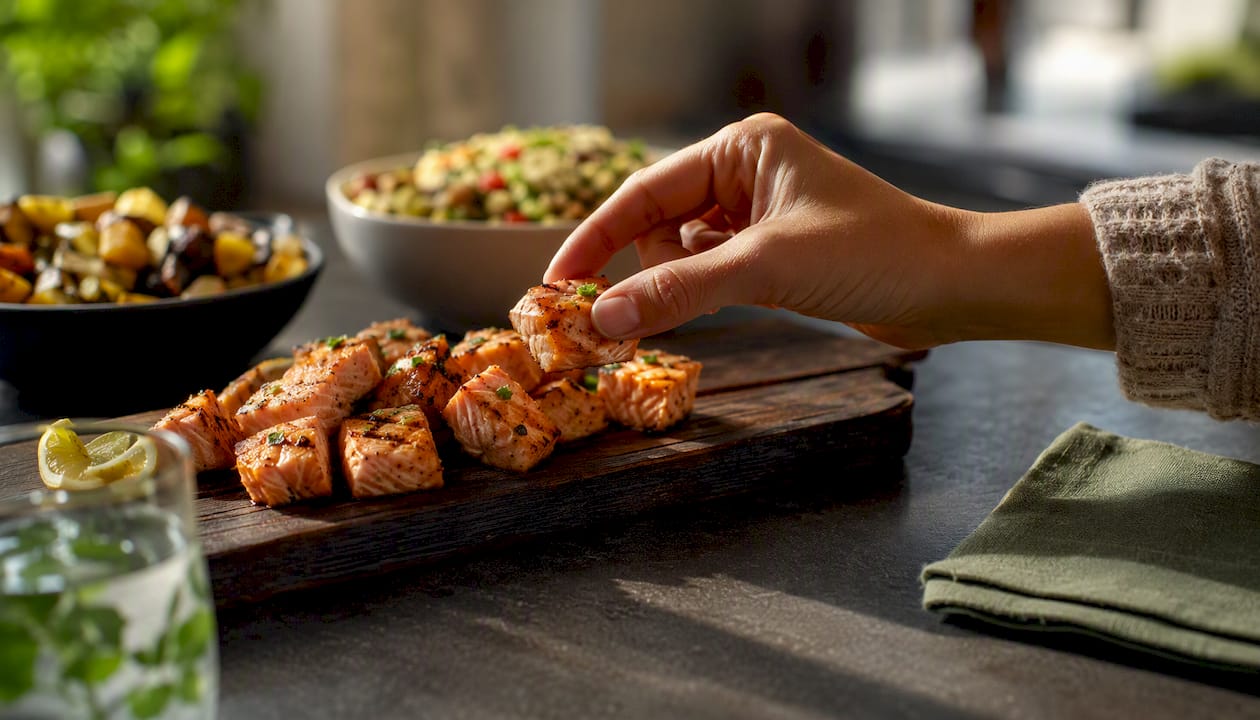
Cooked vegetables tend to sit better than raw ones. A crunchy salad demands a lot of chewing and adds bulk without much return, while roasted zucchini or steamed green beans deliver the same fiber in a softer, smaller volume that a slowed stomach can actually process.
Foods worth building meals around:
Pro Tip: Keep a rotation of three “safe” meals you know your stomach tolerates well, and default to them during the first week after any dose increase instead of experimenting with something new.
Patients managing GI side effects on GLP-1 therapies are typically advised to drink an adequate amount of water daily and gradually increase fiber intake to recommended levels, according to research on GLP-1 side-effect mitigation, and to shift toward smaller, more frequent meals rather than fewer large ones.
Those fiber and fluid numbers only work together. Fiber without enough water tends to make constipation worse, not better, so increase both at the same time and increase fiber gradually rather than all at once. The Dietary Guidelines for Americans point to the same nutrient-dense pattern for the general population: more vegetables, fruit, whole grains, and lean protein, less refined starch and added sugar. Tirzepatide doesn’t change that baseline. It just makes portion size and food texture matter a lot more than they used to.
Fat and volume are the two variables that slow gastric emptying the most, and tirzepatide has already slowed it down before you even pick up a fork. Stack a heavy, greasy meal on top of that mechanism and you get the nausea, reflux, or bloating that sends people straight to their prescriber asking if the medication is “not working.”
The fix is rarely to eliminate a food entirely. It’s to swap the cooking method or shrink the portion: bake instead of fry, plate a half serving instead of a full one, and get in the habit of drinking a full glass of water before a meal rather than during it, which helps you notice fullness sooner.
Clinical guidance on weight loss consistently points to a range of 1.2 to 1.6 grams of protein per kilogram of body weight per day to protect lean mass while losing fat, and that number doesn’t change just because tirzepatide has killed your appetite. If anything, it becomes the hardest target in your entire diet to hit, because your capacity for food volume shrinks while your protein need stays the same or grows relative to your smaller calorie intake.
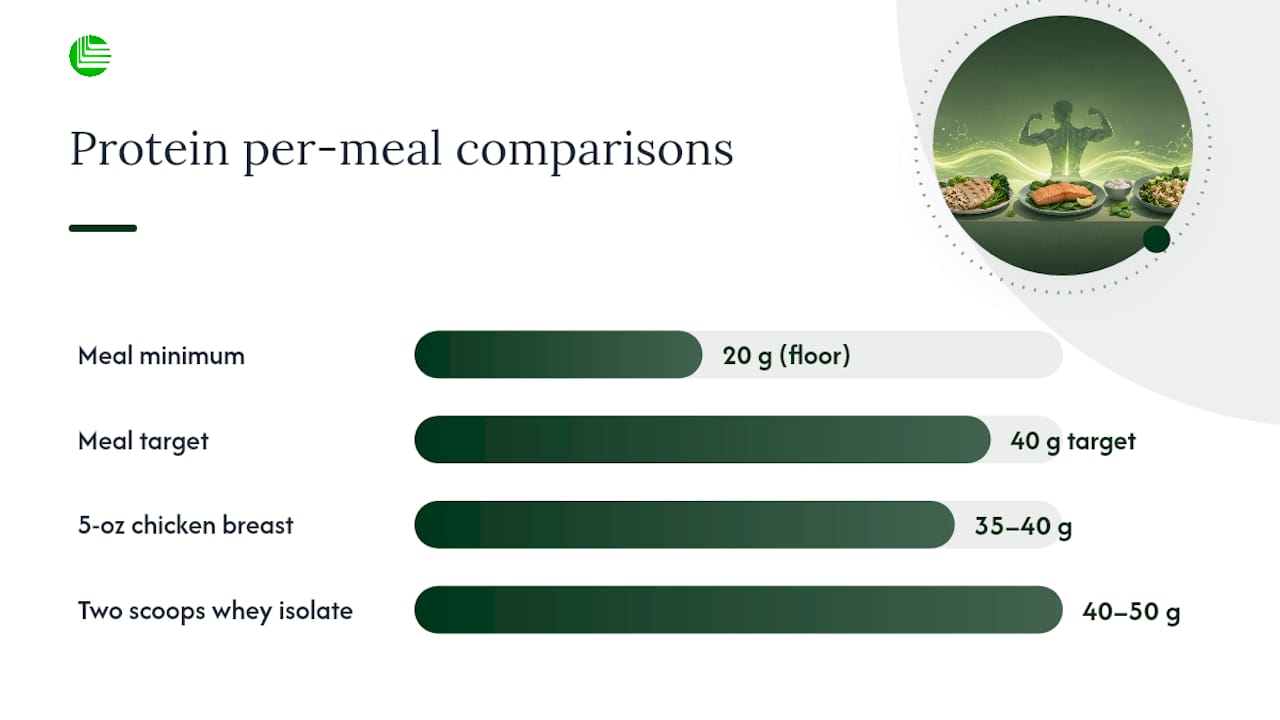
Break that daily total into per-meal terms and it’s more manageable: aim for 20 to 40 grams of protein at each meal, treating that number as a floor, not a suggestion. A few real-world anchors help here. A 5-ounce chicken breast delivers roughly 35 to 40 grams. Two scoops of whey isolate mixed into water gets you 40 to 50 grams in under two minutes, which matters on days when chewing a full meal feels like too much work.
Concrete ways to close the gap:
Pro Tip: Front-load protein earlier in the day. A protein-heavy breakfast and lunch, with a lighter dinner, tends to reduce evening reflux and improves tolerance at higher doses.
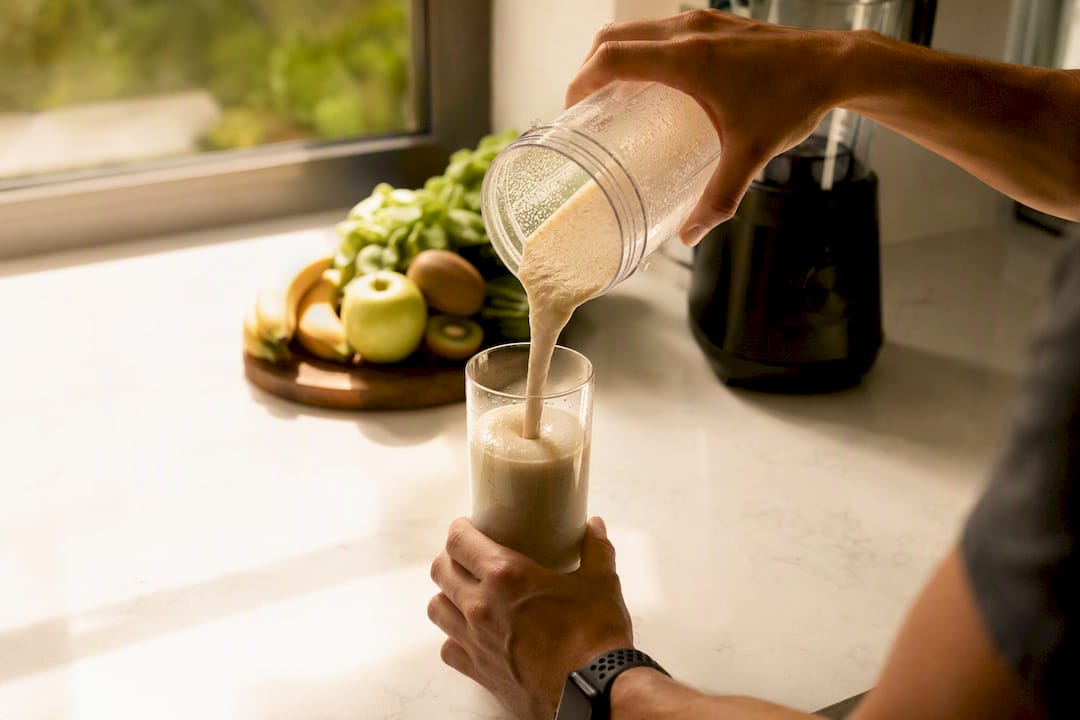
Liquid proteins aren’t a compromise. They’re a legitimate tool for the days when solid food volume simply isn’t happening, and using one strategically beats skipping protein altogether.
A tirzepatide meal guide only works if it flexes between good days and rough ones. Here’s a maintenance-phase day alongside a lighter template for the roughest 48 to 72 hours after a dose bump.
A typical maintenance day (protein grams noted per item):
That lands around 100 to 110 grams of protein across a day, spread in a way that never demands eating a huge single serving.
A nausea-week day, built for tolerance over ambition:
Space meals every three to four hours rather than sticking to a rigid three-meals-a-day schedule, and default to liquid nutrition, broths, shakes, diluted protein drinks, whenever solid food feels like too much. If you have to skip a meal entirely, don’t try to skip protein along with it. A small shake takes less effort than a plate of food and keeps your intake from bottoming out for the day.
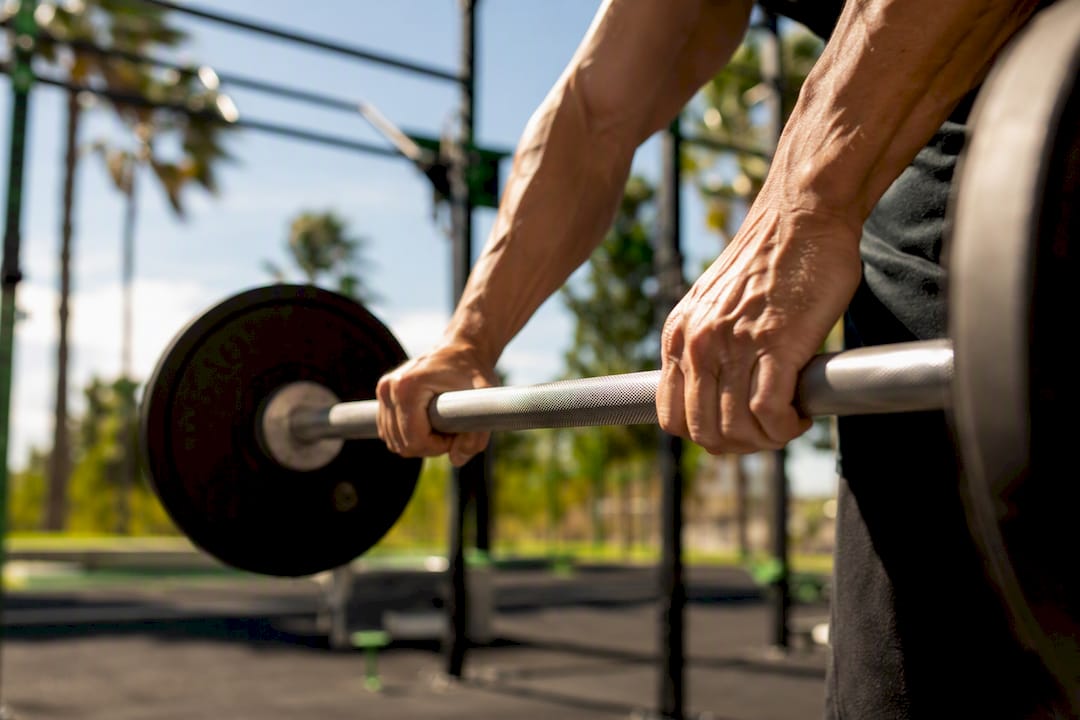
Protein alone slows muscle loss during rapid weight loss. Protein paired with resistance training does considerably more, which is why a review on resistance training and muscle preservation points to two to four sessions a week as an effective target for patients on GLP-1 therapies.
You don’t need a gym membership or a complicated program to get there. A minimal, realistic template looks like this:
Pro Tip: On low-appetite or low-energy days, don’t skip the session, shorten it. A 15-minute version of your usual routine still sends the signal your muscles need to hang onto lean tissue.
Track your relative strength every few weeks, not just the number on the scale. If the weight is dropping but your lifts are holding steady or climbing, your protein and training plan is working exactly as intended.
The 48 to 72 hours after a dose increase are when most people consider quitting tirzepatide altogether, and it’s almost always avoidable with the right prep. GI side effects cluster tightly around that window, then fade, according to the same peer-reviewed pattern on GLP-1 adverse events referenced earlier.
Immediate mitigations that help during those windows:
Having a bland, low-effort meal ready before a dose increase, rather than scrambling for something tolerable mid-nausea, is one of the simplest ways patients stay on therapy through the roughest week of each cycle.
Oak Longevity builds this expectation into its tirzepatide online prescription process, pairing each dose titration step with physician check-ins so adjustments happen before side effects derail progress, not after. If you can’t keep fluids down for more than a day, that’s a call-your-prescriber moment, not a wait-it-out one.
Five things to start this week: eat protein first at every meal, hit your fiber and fluid targets daily, keep meals small and low-fat, add two to four strength sessions weekly, and stock bland backup meals before your next dose increase.
Red flags that need a call to your prescriber: inability to keep fluids down for over 24 hours, signs of dehydration like dizziness or dark urine, or vomiting that won’t stop. MedlinePlus lists these as reasons to seek care promptly rather than waiting for the next scheduled check-in.
Rapid weight loss feels great for about three weeks, then the novelty wears off and habits are what carry you the rest of the way. The patients who keep the weight off after stopping tirzepatide are almost always the ones who treated protein and strength training as permanent fixtures, not temporary tools tied to the medication. Keep up with lab monitoring, keep lifting, and keep eating like the plan matters even on the weeks the scale barely moves.
— Eric
Reading about protein targets and titration weeks is one thing. Having a physician actually adjust your dose based on how your body is responding is another, and it’s the gap most people trying to manage tirzepatide alone run into. Oak Longevity pairs your prescription with real medical oversight instead of a one-time approval and radio silence.

The process starts with an online consultation reviewed by a licensed physician, followed by prescription delivery straight to your door if you’re approved. From there, you get 24/7 support and physician-led guidance through every dose adjustment, plus the strength and lifestyle coaching that keeps lean mass intact while the weight comes off. Nutrition questions, titration side effects, plateau troubleshooting: it’s covered by people who can actually change your protocol, not just tell you what to eat around it.
If you’re ready for a plan that adjusts with you instead of one you’re guessing your way through, start with the Oak Longevity consultation and see what your first visit uncovers.
This article is general information, not a substitute for advice from a qualified doctor. Consult a qualified healthcare professional about your own circumstances before acting on anything here.