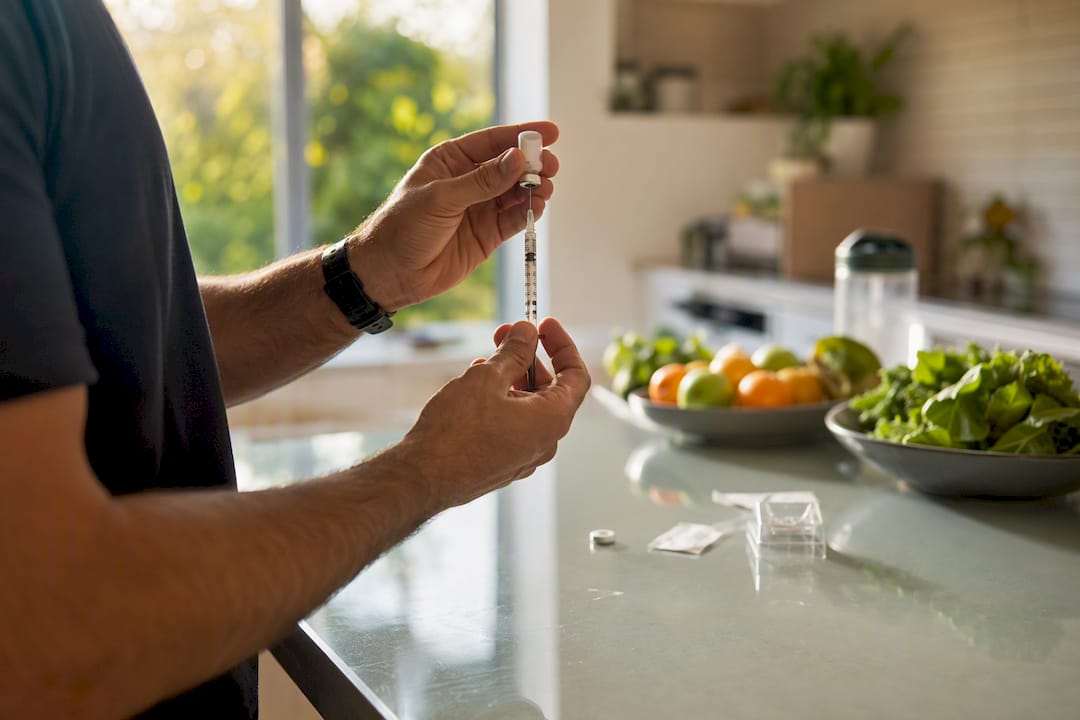
Testosterone replacement therapy improves body composition and can contribute to sustained fat loss in men with confirmed testosterone deficiency, but it is not a general-purpose weight-loss drug. If your labs show normal testosterone, TRT will not help you drop pounds. If you have diagnosed hypogonadism, weight loss itself often comes first and can restore your levels without medication at all.
TL;DR:
- Testosterone replacement therapy mainly improves body composition by increasing fat loss and preserving muscle, not by promoting significant scale-weight reduction.
- Long-term observational data suggest sustained weight decreases in hypogonadal men on TRT, but these results are influenced by ongoing support and patient commitment.
- TRT’s benefits are primarily for men with confirmed deficiency, and it is not recommended as a weight-loss drug for men with normal testosterone levels.
- Lifestyle changes, resistance training, and weight loss generally raise testosterone naturally, often eliminating the need for TRT in many cases.
- Combining TRT with medications like GLP-1 or GIP can be more effective for overall weight loss, especially in cases of severe obesity or metabolic syndrome.
Here’s what matters if you’re trying to figure out whether low testosterone is sabotaging your weight loss, or whether treating it will help you shed fat.
Randomized controlled trials show that adding TRT to a calorie-restricted diet doesn’t necessarily produce more scale-weight loss than diet alone. It changes what kind of weight comes off. Men on TRT tend to lose more fat and keep more muscle. That distinction gets lost in a lot of gym-forum chatter about “testosterone boosters,” but it’s the entire clinical story.
Long-term observational registries report sustained weight reductions in hypogonadal men treated with testosterone, though such findings come from non-controlled studies. Men who stick with a program for five to eight years and keep showing up for follow-up visits are, by definition, more motivated and better supported than the average patient. That selection effect inflates the apparent benefit.
A few things to keep in mind before assuming TRT is your answer:
The practical takeaway: testosterone and weight loss have a two-way relationship. Low T can make fat loss harder and muscle preservation almost impossible during a cut. But restoring testosterone through TRT is a treatment for a medical condition, evaluated with labs and monitored over time, not a shortcut to a leaner physique for men whose hormones are already in range.
The best window into how testosterone affects fat loss comes from a 2016 randomized controlled trial that put the theory to a real test. Researchers took obese men with low testosterone, put them all on the same calorie-restricted diet for 56 weeks, and gave half of them testosterone injections and half a placebo. Both groups lost roughly the same amount of weight on the scale, about 11 kilograms. But the composition of that weight loss diverged sharply.
The TRT group lost about 3 kilograms more fat mass than the placebo group, and preserved or regained roughly 3.3 kilograms of lean mass that the placebo group lost during the maintenance phase.
That’s the single clearest piece of evidence in the entire testosterone and weight loss conversation. Diet alone strips away muscle along with fat. Adding testosterone to the same diet redirects the loss toward fat and protects the muscle. If you’ve ever done a hard cut and ended up looking smaller but not really leaner, this is likely part of what happened, and it’s exactly the outcome TRT counteracts in men with genuine deficiency.
The registry data paints a bigger, blurrier picture. Long-term observational studies following hypogonadal men on testosterone therapy for years report far larger changes. In two registry cohorts, men with obesity classes I through III treated continuously with testosterone showed progressive weight loss over 5 to 8 years, with some class III (severe obesity) cohorts losing an average of about 30.5 kilograms, or roughly 23.6% of body weight, and other analyses citing reductions approaching 19% body weight across cohorts.
Those numbers dwarf anything seen in the 56-week RCT, and that gap matters for how you interpret the science. A few explanations account for the difference:
There’s also metabolic evidence beyond the scale. Some trials investigating testosterone in men with prediabetes have found signals of reduced progression to type 2 diabetes in treated groups compared with placebo over a two-year window. That’s a meaningful finding for a specific subgroup, though it doesn’t establish testosterone as a diabetes-prevention therapy on its own. A review synthesizing this body of evidence concludes that TRT in men with confirmed testosterone deficiency reliably improves body composition and can sustain reductions in fat mass, waist circumference, and BMI, but frames this squarely as replacement therapy for a diagnosed condition, not an obesity treatment for the general population.
Put the RCT and registry findings side by side and a consistent theme emerges: testosterone changes the quality of weight lost in controlled short-term settings, and appears to support larger, sustained reductions in long-term real-world settings, most likely because it’s paired with ongoing clinical engagement rather than acting as a stand-alone weight-loss agent.
Testosterone is fundamentally an anabolic hormone, meaning it signals muscle tissue to grow and repair. More lean mass raises your resting energy expenditure, since muscle burns more calories at rest than fat does. That’s the most direct mechanical link between testosterone levels and body composition: more muscle means a body that burns more fuel just existing, which makes fat loss easier to sustain and regain harder to avoid.
The relationship runs in the other direction too, and this is where things get interesting. Fat tissue contains an enzyme called aromatase that converts testosterone into estrogen. The more body fat you carry, especially visceral fat around the abdomen, the more aromatase activity you have, and the more of your testosterone gets converted away. Rising estrogen and falling testosterone then send feedback signals to the hypothalamus that suppress the hormonal cascade responsible for testosterone production in the first place. The result is a self-reinforcing loop: obesity lowers testosterone, and lower testosterone makes it easier to gain and harder to lose fat, particularly visceral fat, which then produces more aromatase. Round and round it goes.
Testosterone also appears to influence visceral fat distribution somewhat independently of total body weight, which is part of why two men at the same scale weight can have very different metabolic risk profiles depending on where they carry that fat. There’s evidence connecting testosterone status to mitochondrial function within muscle tissue too. Healthier mitochondria burn fuel more efficiently, which plausibly supports better exercise capacity and recovery, though the clinical significance of this pathway for weight loss specifically is less established than the muscle-preservation effect.
Then there’s the less glamorous but arguably more important piece: energy and motivation. Men with low testosterone frequently report fatigue, low drive, and reduced motivation to exercise. That’s not a side effect that shows up on a metabolic panel, but it’s directly relevant to weight loss, because a body that doesn’t feel like moving burns fewer calories through activity and finds it harder to sustain a training program. Restoring testosterone in genuinely deficient men often restores the energy needed to show up for workouts consistently, which indirectly supports fat loss even though it’s not a direct pharmacological effect on adipose tissue.
Confirmed hypogonadism, not a hunch based on feeling tired, is the entry point for testosterone therapy. A real diagnosis requires two things together: consistent clinical symptoms (low libido, fatigue, loss of muscle mass, erectile difficulty) and low morning total testosterone confirmed on at least two separate blood draws. Some of the major clinical trials in this space, including the 2016 body-composition RCT, used a threshold around 12 nmol/L (roughly 346 ng/dL) to define eligibility, and that range lines up closely with the diagnostic cutoffs used in general clinical practice.
Before anyone starts testosterone therapy, a responsible workup covers more ground than a single number:
An Endocrine Society perspective on this evidence frames testosterone as most useful as an adjunct within a broader metabolic program for men with confirmed deficiency, with weight loss itself treated as the first-line intervention whenever it’s feasible. That’s a meaningfully different stance than treating TRT as a first-choice weight-loss tool, and it’s the position most guideline bodies converge on: TRT for symptomatic, lab-confirmed hypogonadism, not for men whose testosterone is already within normal range who simply want to lose weight faster.
If sheer scale-weight loss is the goal, testosterone therapy isn’t the strongest tool available today. GLP-1 and GIP medications like semaglutide and tirzepatide produce double-digit percentage reductions in body weight in clinical trials, a magnitude that dwarfs what testosterone alone accomplishes on the scale. TRT’s real strength lies elsewhere: shifting the composition of whatever weight comes off toward fat and away from muscle. Those are two different jobs, and conflating them leads to disappointment either way.
There’s an emerging wrinkle worth knowing about. Early pilot data comparing tirzepatide against transdermal testosterone found that tirzepatide produced larger weight and hormonal improvements than testosterone therapy alone in a small sample, suggesting that for some men with obesity-driven low T, treating the obesity directly may do more to normalize hormone levels than treating the hormone directly. That tracks with the broader pattern in this article: weight loss raises testosterone, and it can do so more efficiently through a potent metabolic medication than through hormone replacement working in the other direction.
Pro Tip: If your testosterone is low and you’re carrying significant excess weight, ask your clinician to check labs again after meaningful weight loss, whether that’s from lifestyle changes or a GLP-1/GIP medication, before assuming you need TRT long-term. A real subset of men normalize on their own once the fat mass driving the aromatase problem comes down.
A few scenarios where combining approaches, or sequencing them, makes clinical sense:
Testosterone therapy is not free of risk, and the risks are specific enough that a rough monitoring plan does not cut it. The clearest signal to watch is hematocrit, the concentration of red blood cells in your blood. Testosterone stimulates red blood cell production, and too much of it thickens the blood, raising clotting risk. PSA and prostate health need baseline and follow-up attention, particularly for men over 40. Fertility suppression is a near-certainty on standard TRT dosing, since exogenous testosterone signals the body to stop producing its own sperm. Sleep apnea can worsen on therapy. Fluid retention shows up in some patients as mild swelling. And there remains real scientific uncertainty around long-term cardiovascular safety, an area regulators and researchers continue to study rather than one with a settled answer.
None of that means TRT is dangerous for the right patient. It means monitoring isn’t optional. A reasonable cadence looks like this:
Any responsible telehealth or in-person program treats these checkpoints as a requirement, not a suggestion, before a patient’s next refill goes out.
Start with the labs, not the supplement aisle. A morning blood draw, ideally between 7 and 10 AM, measuring total testosterone gives you the real starting point. If that number comes back low, get it confirmed on a second occasion, and ask your clinician to check free testosterone and SHBG (sex hormone-binding globulin) as well, since SHBG levels affect how much of your total testosterone is actually available for your body to use. Two men with identical total testosterone can have very different free testosterone depending on SHBG, and that distinction changes the clinical picture.
While you’re sorting out labs, the lifestyle levers worth pulling immediately don’t require a prescription:
Pro Tip: Don’t reach for over-the-counter “testosterone boosters” as a shortcut. Consumer-facing reviews of herbal ingredients like ashwagandha and fenugreek consistently find inconsistent evidence for meaningful weight-loss benefit, and none of them replace an actual lab-confirmed diagnosis and monitored treatment plan.
If lifestyle changes and a genuine attempt at sustainable weight loss don’t move your labs or your symptoms, that’s the point to have a direct conversation with a clinician about whether TRT or a GLP-1/GIP medication makes more sense for your specific situation. Before that conversation, think through your fertility plans, your cardiovascular risk profile, your willingness to commit to ongoing monitoring, and your expectations around how long any treatment might need to continue.
Nearly every large trial and registry on testosterone and weight loss enrolled men, because male hypogonadism is a well-defined, commonly diagnosed condition with clear diagnostic thresholds. Women have testosterone too, at levels roughly one-tenth of typical male ranges, and it still plays a real role in muscle maintenance, energy, and libido. But the clinical picture for women is far less studied and far more complicated.
Excess testosterone in women is generally associated with conditions like polycystic ovary syndrome (PCOS), which itself is linked to insulin resistance and weight gain, essentially the opposite problem from male hypogonadism. Treating a woman’s weight struggles by raising testosterone runs directly against the pattern seen in PCOS management, where the clinical goal is often to address insulin resistance and hormonal imbalance through other means entirely, not to add more testosterone.
Menopause changes the picture again. Declining estrogen after menopause shifts fat distribution toward the abdomen and can affect metabolic rate, but this is primarily an estrogen story, not a testosterone one. Testosterone therapy for women exists clinically, mostly for libido concerns backed by more limited evidence, but it isn’t established as a weight-loss intervention for women the way it’s studied as a body-composition tool in hypogonadal men.
The practical takeaway: nearly everything in this article about TRT and fat loss applies specifically to men with diagnosed low testosterone. Women dealing with weight and hormonal symptoms are working with a different hormonal landscape, and the evidence base simply doesn’t support extending the male TRT playbook to female patients.
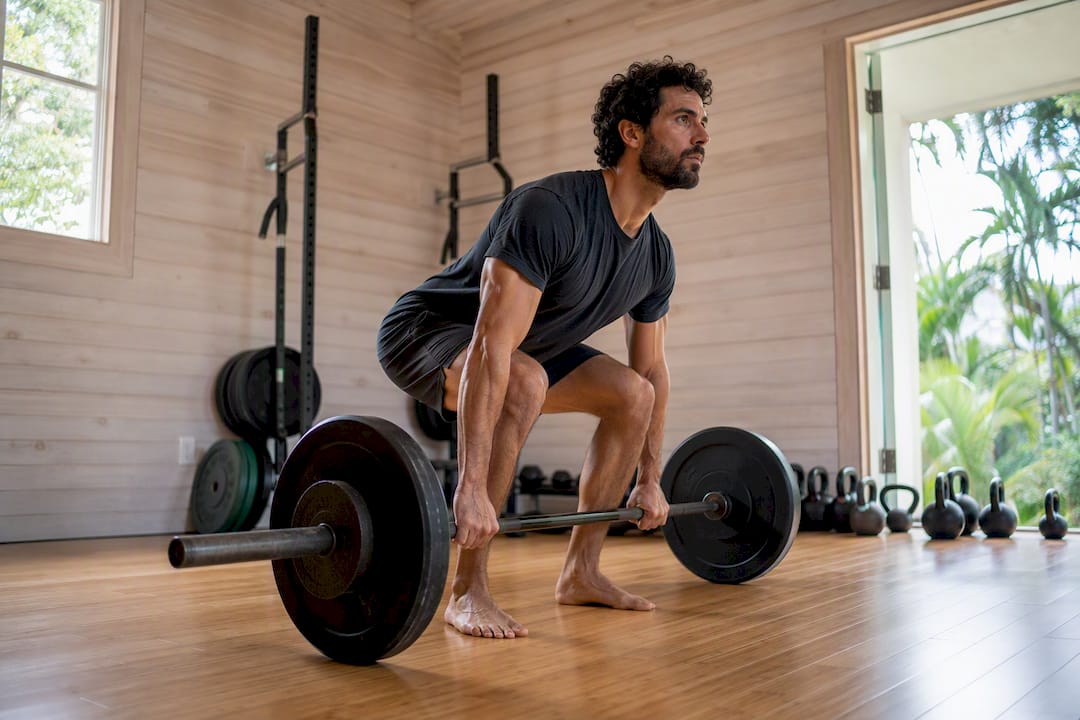
You don’t need a prescription to influence testosterone levels through daily habits, and the two most reliable levers are resistance training and diet quality. Weight training, particularly compound lifts like squats and deadlifts, has a more consistent relationship with healthy testosterone regulation than steady-state cardio alone. That doesn’t mean cardio is bad. It means a weight-loss plan built entirely around running or cycling, with no strength work, misses one of the more effective non-pharmacological levers available.
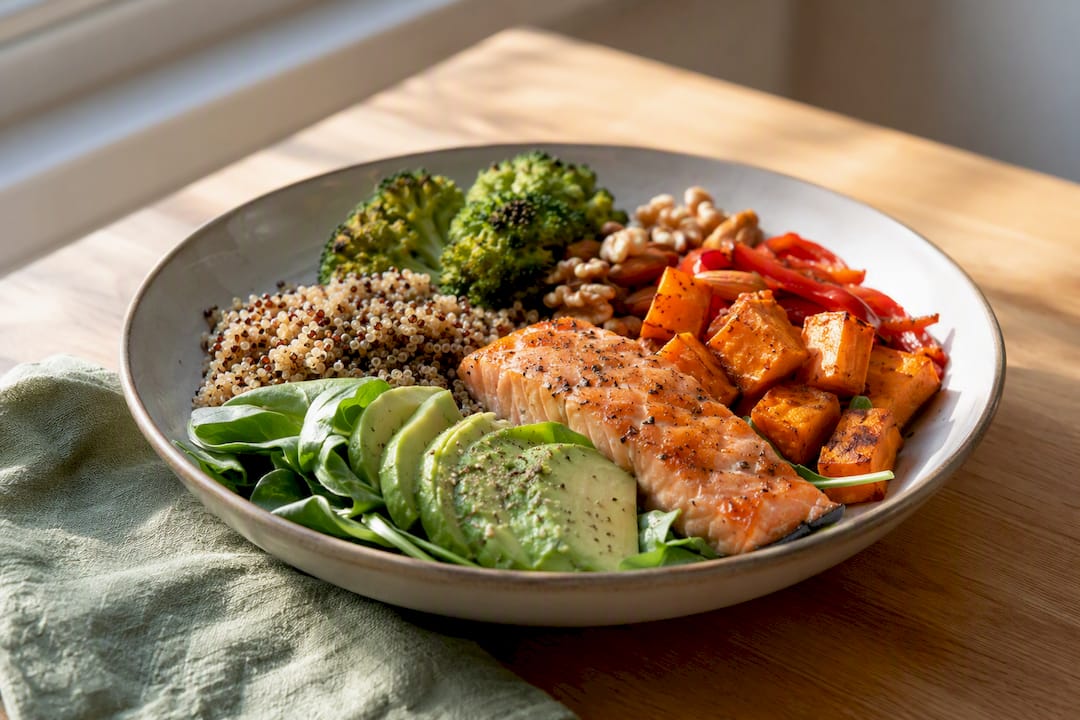
Diet matters beyond calorie counting. Chronic, severe calorie restriction can actually suppress testosterone production, since the body reads a large energy deficit as a signal to conserve resources rather than invest in reproductive hormone production. A moderate, sustainable deficit, paired with enough dietary fat (testosterone synthesis depends on cholesterol as a building block) and enough protein to preserve muscle, tends to support healthier hormone levels than an aggressive crash diet.
Micronutrient status plays a role too, particularly zinc and vitamin D, both of which are cofactors in testosterone production. Deficiencies in either are common, especially in people who’ve spent years in a calorie deficit or who get limited sun exposure, and correcting a genuine deficiency can produce a measurable bump in testosterone in some men, though it’s not a fix for men whose levels are low for other reasons.
Sleep deserves its own mention outside general lifestyle advice, because the data on sleep and testosterone is unusually direct: men who sleep less than five hours a night show measurably lower testosterone than men who get seven to eight, independent of any other lifestyle factor. If weight loss and testosterone optimization are both goals, protecting sleep is not a minor detail.
There’s a meaningful distinction between letting your body’s own testosterone production recover through weight loss and lifestyle change, versus replacing testosterone externally through injections, gels, or pellets. Endogenous recovery, meaning your own hypothalamic-pituitary-gonadal axis ramping back up production once excess fat mass and its aromatase activity come down, is the outcome you actually want whenever it’s achievable. It requires no ongoing prescription, no injection schedule, and none of the monitoring burden that comes with exogenous therapy.
Exogenous testosterone, the kind prescribed as TRT, works differently and comes with a trade-off worth understanding clearly: it signals your own production systems to shut down. Your hypothalamus and pituitary gland sense adequate testosterone circulating and stop sending the signals that would normally stimulate your testes to produce more. This is why fertility suppression is such a consistent and near-universal effect of standard TRT dosing, and why stopping therapy doesn’t just return you to your pre-treatment baseline instantly. Your own production system needs time, sometimes months, to restart.
This is precisely why the evidence-based sequence matters: attempt genuine weight loss and lifestyle correction first, when clinically appropriate, because a recovered endogenous system is more durable and carries none of the exogenous trade-offs. Reserve exogenous replacement for men whose deficiency persists despite legitimate effort, or whose deficiency has a cause unrelated to reversible weight, such as a primary testicular or pituitary condition. The distinction isn’t philosophical. It changes what you’re signing up for and how reversible the whole process is.
Weight loss is a behavioral project as much as a biological one, and low testosterone works against the behavioral side in ways that rarely make it into the clinical conversation. Men with clinically low testosterone commonly report low mood, reduced motivation, brain fog, and a general flatness that makes consistent exercise and disciplined eating feel disproportionately hard. That’s not weakness. It’s a hormonal state working against the exact behaviors weight loss requires.
This creates a frustrating trap. The behaviors that would most help, regular training, consistent meal planning, staying active throughout the day, are precisely the behaviors low testosterone makes hardest to sustain. A man who intellectually understands he needs to train and eat better can still find himself unable to generate the drive to do either consistently, and that gap between intention and action gets misread, by himself and often by the people around him, as a lack of willpower rather than a physiological headwind.
Libido and self-image also intersect with weight loss motivation in ways worth naming directly. Reduced sexual function tied to low testosterone can affect confidence and mood broadly, and body image concerns tied to weight gain can compound that further, creating a psychological feedback loop that mirrors the biological one described earlier with aromatase and estrogen.
This is part of why guideline-based care treats confirmed hypogonadism as worth addressing directly rather than expecting a man to “push through” on willpower alone. Restoring testosterone in a genuinely deficient man often restores enough baseline energy and motivation that the behavioral side of weight loss becomes achievable again, not because the hormone burns fat directly, but because it removes a real obstacle standing between intention and consistent action.
TRT’s core benefit, shifting weight loss toward fat and away from muscle, does not appear to be permanent once therapy stops. The mechanism driving that benefit is ongoing hormonal support for muscle protein synthesis, and when the exogenous testosterone stops, that support goes away. Muscle that was preserved or gained during therapy is vulnerable to being lost again if diet and training don’t independently sustain it.
This is a meaningful planning consideration, not a footnote. TRT for hypogonadism is typically framed as a chronic management decision rather than a short course of treatment, similar in structure to how thyroid hormone replacement works for hypothyroidism. Stopping and restarting isn’t as simple as pausing a supplement, both because your natural production system needs time to recover after suppression, and because the composition benefits you gained are not banked permanently once you’re off therapy.
The registry data showing large weight losses over 5 to 8 years reflects continuous treatment, not a short intervention followed by maintenance off medication. That’s an important detail for expectation-setting: the dramatic long-term numbers in observational studies come from men who stayed on therapy and stayed engaged with monitoring for years, not from a brief course that produced lasting change on its own.
None of this means TRT is a bad long-term choice for a man with genuine, confirmed hypogonadism. It means the decision to start should account for the likelihood that it becomes an ongoing commitment, with the monitoring requirements described earlier as a permanent feature of the plan, not a temporary hurdle at the start.
The evidence here points toward a layered approach, and that’s the model Oak Longevity is built around. Its telehealth program pairs physician-reviewed consultations with access to GLP-1 and GIP medications, backed by ongoing support rather than a one-time prescription and silence. The lifestyle protocols built into that program, strength-focused movement and adequate protein intake, exist specifically to address the muscle-loss problem that plain calorie restriction creates, the same problem the 2016 RCT data illustrates so clearly with testosterone.
Oak Longevity’s scope centers on medication-assisted weight loss and the lean-mass preservation strategies that go with it. Testosterone replacement therapy is a separate clinical decision that depends on confirmed lab work and a distinct diagnostic pathway, and it deserves its own clinician-guided assessment rather than being folded into a weight-loss program by default. Shared decision-making, grounded in real testing rather than assumptions, is the throughline that should guide either path.
— Eric
If the biggest gap for you right now is muscle loss during a cut, or a metabolic plan that never quite got you the sustained results you wanted, a supervised, medication-assisted program addresses a different problem than TRT does, and for many people it’s the more direct route to real results.

Oak Longevity’s process starts with an online health questionnaire that a licensed physician reviews before anything gets prescribed. Once approved, GLP-1 or GIP medication ships directly to your door, and the program layers in 24/7 support along with physician-led guidance on dosing. The strength and nutrition protocols built into the plan exist to protect the lean mass that a pure calorie-restriction approach tends to burn through, the exact problem the clinical trial data on body composition keeps surfacing.
This setup fits adults who want prescription-grade weight management without scheduling repeated in-person visits, and who care about preserving muscle and metabolic health, not just watching a number on the scale drop. Before you start, have your recent weight history, any relevant lab work, and your current medications ready. That speeds up the physician review considerably.
If low testosterone is part of your picture, get the labs first. If obesity and metabolic health are the primary target, explore Oak Longevity’s program and get a physician-reviewed consultation started this week.
The claims in this article draw on a small set of high-quality sources rather than a broad sweep of secondary summaries. Start here if you want to verify or go deeper:
This article is general information, not a substitute for advice from a qualified doctor. Consult a qualified healthcare professional about your own circumstances before acting on anything here.