The main non-stimulant prescription options for weight loss are orlistat, naltrexone-bupropion, liraglutide, semaglutide and tirzepatide. NIDDK lists them as long-term weight-management drugs. Phentermine, the best-known appetite suppressant, is a stimulant and is approved for only a few weeks. If you want something you can use for the long haul, or you take an ADHD stimulant and are wondering what mixes with what, this guide walks through how each option works, how it compares, and what to ask your doctor.
Stimulant appetite suppressants, such as phentermine, work on the central nervous system and raise alertness, heart rate and blood pressure. A non-stimulant medication reaches the same goal, eating less or absorbing less, through other routes: gut hormones, brain reward and appetite pathways, or fat absorption.
That difference matters for three kinds of people:
Medication is one piece of the plan. JAMA researchers describe antiobesity medications as adjuncts to diet and exercise that modify the biology of appetite. Our guide to anti-obesity lifestyle interventions covers the other half.
NIDDK notes that orlistat reduces fat absorption, while the other long-term drugs may reduce hunger or act on brain areas that regulate appetite and food intake. Here is how the group lines up.
| Medication | How it works | What the evidence shows |
|---|---|---|
| Orlistat | Reduces fat absorption in the gut | 3.1% placebo-subtracted weight loss in meta-analyses |
| Naltrexone-bupropion | Acts on brain areas involved in appetite and food intake | Label calls for blood pressure and heart rate monitoring |
| Liraglutide | GLP-1 receptor agonist that increases fullness signals | Long-term approved GLP-1 option |
| Semaglutide | GLP-1 receptor agonist that increases fullness signals | 11.9% placebo-subtracted weight loss |
| Tirzepatide | Dual GIP and GLP-1 receptor agonist | 16.2% placebo-subtracted weight loss |
The percentages come from the ADA Standards of Care section on pharmacologic treatment of obesity. They are averages across studies, not a promise for any one person, and results depend on dose, adherence and lifestyle.
Semaglutide mimics GLP-1, a gut hormone that signals fullness. Tirzepatide mimics both GLP-1 and GIP. Neither one stimulates your nervous system the way phentermine does. In practice people describe less food noise, earlier fullness and smaller portions.
Because these drugs work gradually, timelines matter. Most people begin on a low dose and step up. If you want realistic expectations, read our breakdowns of the semaglutide weight loss timeline and the tirzepatide weight loss timeline.
The ADA lists GLP-1 receptor agonists (liraglutide, semaglutide), the dual GIP/GLP-1 agonist tirzepatide and naltrexone-bupropion as alternatives. It also notes that phentermine is approved short term, while most other obesity medicines are approved for long-term use.
When people compare alternatives to phentermine, these are the questions that decide it:
This is one of the most common questions we see. The phentermine prescribing information says it is indicated only as short-term monotherapy. Safety and efficacy with other weight-loss products have not been established, so using it with them is not recommended.
In plain terms: if you are starting semaglutide or tirzepatide, the usual path is to stop relying on phentermine rather than layer the two. If you currently take phentermine and are considering a switch, tell your prescriber so they can set the timing and decide whether any overlap makes sense. Do not combine them on your own.
A related note: phentermine-topiramate contains phentermine, so it is not a stimulant-free pick. Its label guidance recommends stepwise dose titration to reduce side effects.

People who take Adderall for ADHD and want a GLP-1 medication ask about this often, and it deserves a careful answer. Two things are worth knowing.
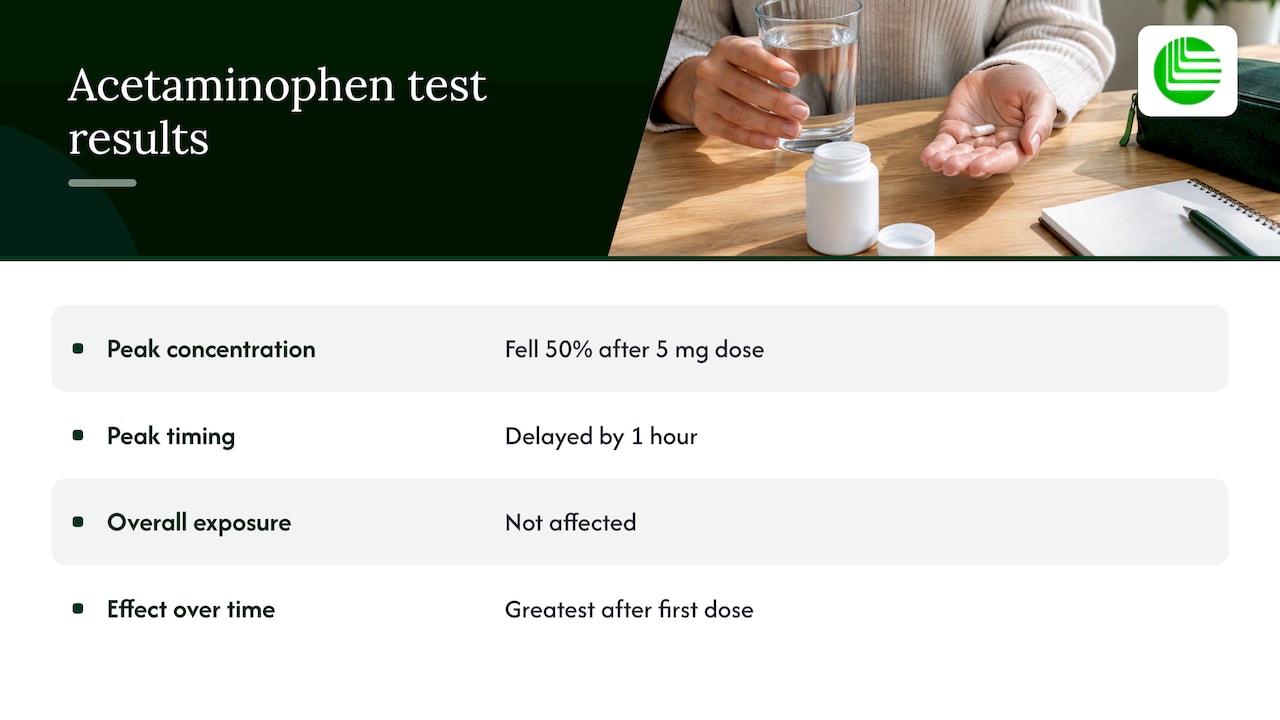
The Mounjaro label says tirzepatide delays gastric emptying and may affect the absorption of oral medications taken at the same time. It advises caution and monitoring for oral drugs that depend on threshold concentrations or have a narrow therapeutic index. The label adds that this effect is greatest after the first dose and diminishes over time. In its test with acetaminophen after a single 5 mg dose, peak concentration fell 50% and was delayed by 1 hour, while overall exposure was not affected.
That test did not involve Adderall, so we cannot say exactly what happens with it. What it suggests is that an oral stimulant could take effect later, especially in the first weeks and after dose increases. Semaglutide is also a GLP-1 drug that slows stomach emptying, so ask your prescriber about timing there as well.
The Adderall XR label reports that stimulants raised blood pressure by about 2 to 4 mmHg and heart rate by about 3 to 6 beats per minute on average. It tells clinicians to monitor all treated patients for hypertension and tachycardia. It also says people with serious cardiac disease should avoid it. Weight loss itself, and reduced eating or dehydration from GI side effects, can also change how you feel on any medication.
The same reasoning applies whether you searched for Adderall with semaglutide, Adderall with tirzepatide or any other GLP-1 pairing. The answer is individual and belongs in a conversation with your prescriber.
Non-stimulant does not mean risk-free. Know the main points for each group.
Stomach side effects are the most common. The ADA suggests smaller portions, avoiding high-fat foods and finishing meals at least 2 hours before bedtime to manage them. The Mounjaro label warns that nausea, vomiting or diarrhea can cause dehydration and acute kidney injury, and that it is not recommended in people with severe gastroparesis. It also lists postmarketing reports of severe constipation, bowel obstruction and pancreatitis. Persistent, severe abdominal pain, with or without vomiting, needs prompt medical attention.
The Contrave label lists contraindications including seizure disorders, anorexia or bulimia, chronic opioid use, and abrupt discontinuation of alcohol, benzodiazepines, barbiturates or antiepileptic drugs. It calls for blood pressure and heart rate monitoring, watching for clinical worsening or suicidal thoughts, and weekly dose escalation.
Orlistat is a lower-strength approach by comparison, and the GI effects of undigested fat are its main trade-off. Talk with a pharmacist or clinician about how to take it with meals.
For most of our members who ask about non-stimulant options, the real question is how to lose weight steadily without feeling wired. That is why we built our program around semaglutide and tirzepatide, which work through appetite and fullness signals rather than stimulation.
What we see matters as much as the drug itself. A physician reviews your health questionnaire, including every medication you take, and that is where questions about stimulants, blood pressure and history get settled before anything ships. Free health coaching and 24/7 support help with dosing questions and side effects, and our strength and lifestyle protocols are aimed at preserving lean muscle as weight comes off.
We also think cost should not be the barrier. Our plans start at $119 per month for semaglutide and $185 per month for tirzepatide, with free shipping and no hidden membership fees. Choose the medication, keep the follow-up, and treat the first three months as a calibration period.
Eric
If you are ready to explore a non-stimulant path, we offer semaglutide from $119 per month and tirzepatide from $185 per month. Compounded injectable semaglutide starts at $167 per month on our product page. You complete a health questionnaire, a licensed physician reviews it, and approved prescriptions are delivered to your door. There are no video calls required.

See every plan on our weight loss page, or read how the process works before you decide. If you have tried a medication before, our guide to semaglutide rebound weight gain explains how to keep results going.
Use this order when you talk with your doctor:
If menopause is part of your picture, see our guide to weight loss medications during menopause. If you are wary of what you have read online, our semaglutide myths article sorts fact from rumor.
The long-term prescription options on the NIDDK list are orlistat, naltrexone-bupropion, liraglutide, semaglutide and tirzepatide. In ADA-summarized meta-analyses, semaglutide and tirzepatide produced placebo-subtracted losses of 11.9% and 16.2%. Your clinician can tell you which fits your health history.
The phentermine label says safety and efficacy with other weight-loss products have not been established, and it does not recommend combining them. If you take phentermine now and want to start a GLP-1 medication, ask your prescriber how to transition.
Many people do under medical supervision, but plan it with your prescriber. The Mounjaro label says delayed gastric emptying can affect the absorption of oral medications, and the Adderall label calls for monitoring blood pressure and heart rate. Report anything unusual, such as palpitations.
NIDDK notes that the only FDA-approved over-the-counter weight-loss product is orlistat, sold as Alli, at about half the strength of the prescription version. Supplements marketed as fat burners are not held to the same standard of approval.
Complete a short health questionnaire at Oak Longevity. A licensed physician reviews it, and if you are approved, your medication is shipped to you. Include every medication you take so the physician can account for interactions.