
NAD+ approaches show measurable effects on metabolic markers, but consistent, clinically meaningful weight loss in humans is not proven. A 2023 systematic review and meta-analysis covering 22 treatment arms and 5,144 participants found only a small pooled BMI decrease (WMD −0.19 kg/m²) and higher adiponectin levels, with no consistent effect on absolute body weight. The NIDDK reports that more than 70% of U.S. adults are overweight or obese, which explains why patients are searching for every available metabolic lever, including NAD supplementation.
Here is what that means practically:
NAD+ precursors reliably raise NAD biomarkers in humans, but no clinical trial has produced meaningful weight loss from NAD supplementation or IV infusions alone.
| Point | Details |
|---|---|
| Human evidence is limited | The 2023 meta-analysis found a BMI shift of only −0.19 kg/m², with no consistent body-weight effect across trials. |
| Biomarker rise ≠ fat loss | NR and NMN reliably increase blood NAD+, but that biochemical change has not translated to body-composition improvement in RCTs. |
| IV NAD lacks RCT support | No peer-reviewed randomized trial has shown clinically meaningful weight loss from NAD infusions; clinic marketing often overstates the evidence. |
| GLP-1 drugs are far stronger | Semaglutide and tirzepatide produce 15–22% total body weight loss in large trials; NAD approaches are not comparable as primary therapies. |
| Oak Longevity’s approach | Oak Longevity offers clinician-led GLP-1/GIP prescriptions as the primary weight-loss tool, with NAD only as a supervised adjunct when appropriate. |
NAD (nicotinamide adenine dinucleotide) is a redox cofactor present in every cell. It shuttles electrons through glycolysis, beta-oxidation of fatty acids, and oxidative phosphorylation in the mitochondria. Without adequate NAD+, those energy-producing pathways slow down. That is the foundational reason researchers hypothesize a connection between NAD and metabolism.
The more metabolically interesting role involves NAD-dependent enzymes:
The translation gap between rodents and humans is real and worth naming directly. Mice in controlled feeding studies receive NAD precursors at doses that, scaled to human body weight, would far exceed what any supplement delivers. They also live in temperature-controlled environments with no free-food access. Free-living humans eating ad libitum are a fundamentally different system.
Pro Tip: Timing may matter more than dose. A 2023 Nature Communications study showed that raising NAD+ at the onset of the active phase in mice improved weight and glucose markers, while dosing at the rest phase produced worse outcomes in some measures. Chronobiology is an under-studied variable in human NAD trials, and it could partly explain the heterogeneous results seen across studies.
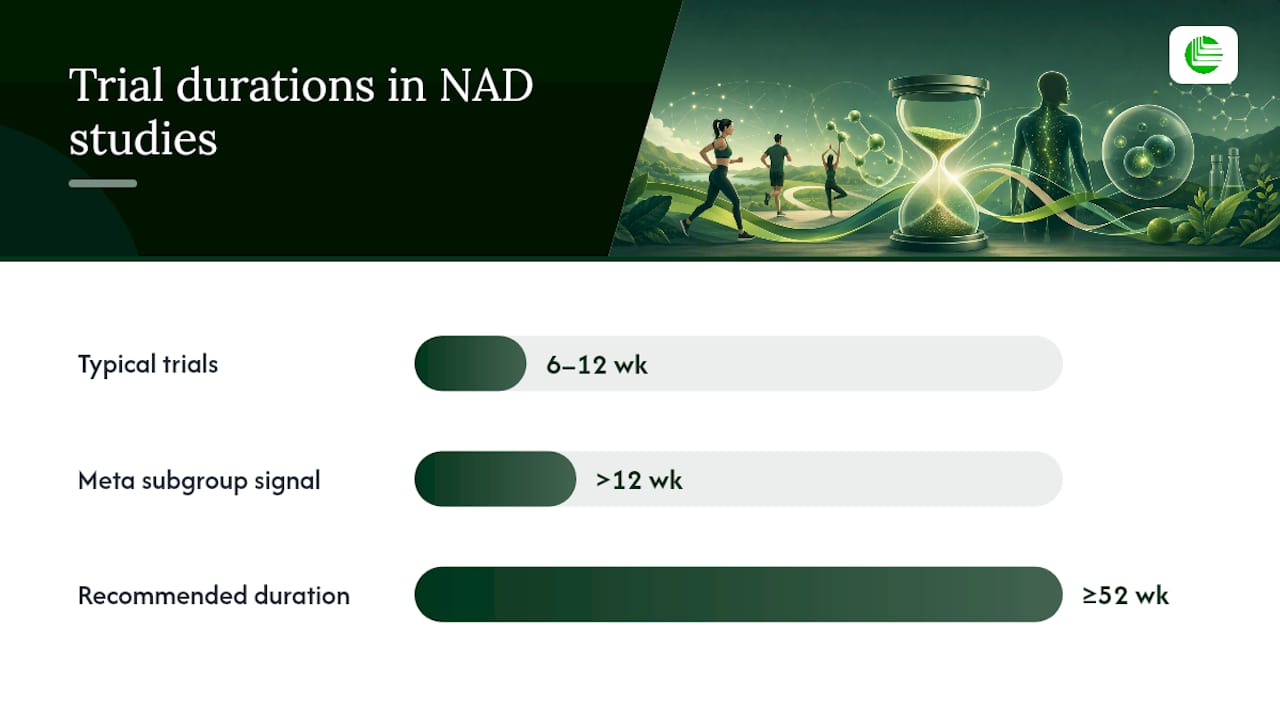
The headline finding from the Frontiers 2023 meta-analysis: a pooled BMI reduction of −0.19 kg/m² and a meaningful increase in adiponectin (WMD 1.59 μg/mL), but no statistically consistent change in absolute body weight across trials. Subgroup analyses suggested larger effects with doses at or above 2 g/day and durations longer than 12 weeks, but those signals come from a small number of arms and should be interpreted cautiously.
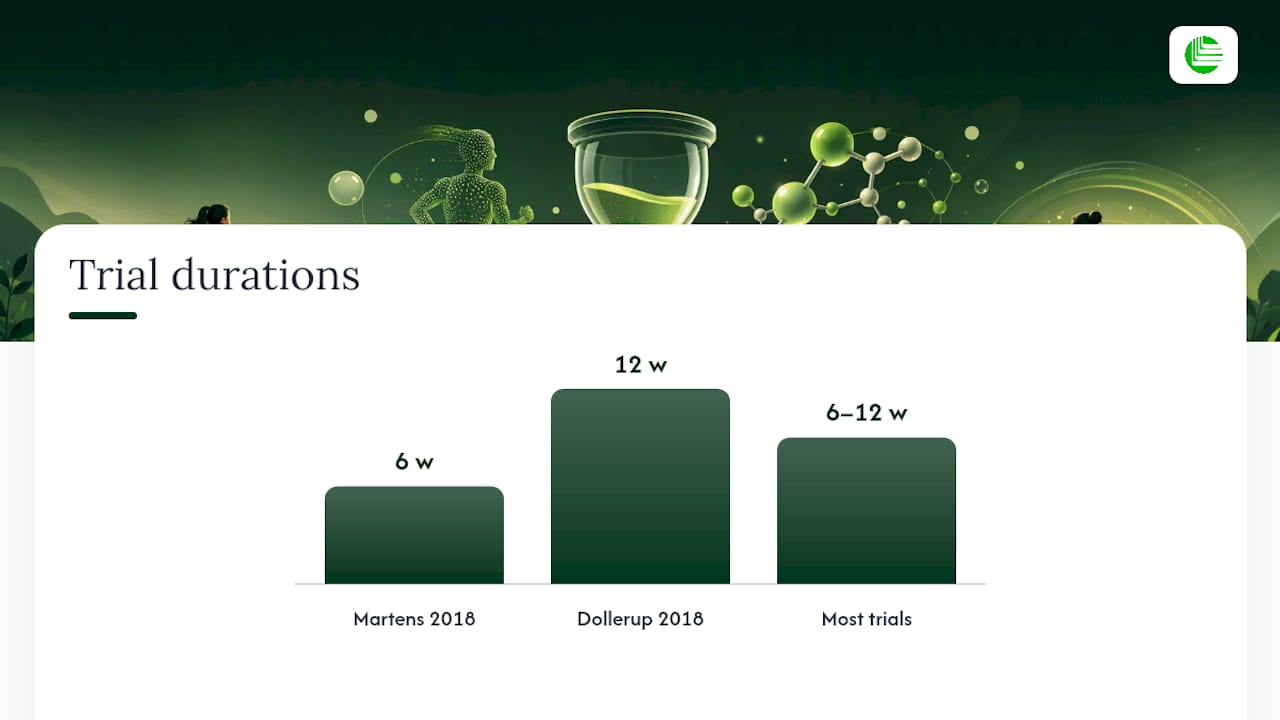
Two well-designed randomized controlled trials illustrate the pattern:
| Trial | Intervention | Duration | Population | Body-composition outcome |
|---|---|---|---|---|
| Martens et al., 2018 | NR 1,000 mg/day | 6 weeks | Middle-aged and older adults | No significant change |
| Dollerup et al., 2018 | NR 2,000 mg/day | 12 weeks | Obese, insulin-resistant men | Null on body composition, insulin sensitivity, and hepatic lipid |
Both trials confirmed that NR raised blood NAD biomarkers. Neither moved the scale or changed fat mass. That is the consistent pattern across the human literature: the biochemical signal is there; the clinical weight outcome is not.
The contrast with FDA-approved anti-obesity medications is stark. GLP-1 receptor agonists like semaglutide and tirzepatide produce substantial total body weight loss over extended treatment periods according to large phase 3 trials. NAD precursor trials, by comparison, show weight changes that are statistically indistinguishable from placebo in most arms.
Safety and tolerability signals from human trials are generally reassuring for oral precursors. NR and NMN are well-tolerated in short-term studies, with mild gastrointestinal symptoms as the most commonly reported adverse events. What is missing is any randomized controlled trial evidence for IV NAD+ infusions and weight loss. As a detailed evidence review concluded, no peer-reviewed RCTs demonstrate clinically meaningful weight loss from NAD infusions. The absence of that evidence matters when evaluating clinic marketing claims.
Key evidence limitations to keep in mind:
Understanding the practical differences between NAD delivery formats helps you ask better questions before spending money or time on any of them.
Oral NAD precursors
These are the best-studied forms in humans. NR (nicotinamide riboside) and NMN (nicotinamide mononucleotide) are the two most researched. Both reliably raise blood NAD+ levels at doses used in trials (typically 250–2,000 mg/day). They are available over the counter as dietary supplements in the U.S., which means they are not regulated for efficacy by the FDA the way prescription drugs are.
Two other precursors worth distinguishing:
NAD precursors are also present in common foods. Milk, broccoli, avocado, and beef all contain small amounts of NMN or NR, though dietary quantities are far below trial doses.
IV NAD+ infusions
Wellness clinics across the U.S. offer intravenous NAD+ infusions, typically at doses ranging from 250 mg to 1,000 mg per session, administered over several hours. Proponents claim faster and more complete delivery than oral supplements. The pharmacokinetic argument has some logic: IV administration bypasses gut absorption. What it does not bypass is the absence of RCT evidence for weight loss. No peer-reviewed randomized trials have demonstrated that IV NAD+ produces clinically meaningful weight reduction.
Injections and intranasal formats
Some clinics offer subcutaneous NAD+ injections or intranasal delivery. The evidence base for these formats in weight management is even thinner than for IV infusions. They remain largely uncharacterized in controlled human trials.
Pro Tip: Before starting any NAD protocol, ask your clinician three specific questions: (1) What NAD biomarker will you measure at baseline and follow-up? (2) What clinical outcome are we targeting, and what is the realistic timeline? (3) How does this fit alongside my diet, exercise plan, and any prescription medications? A clinician who cannot answer all three is not running a supervised protocol.
Oral NR and NMN have a reasonable short-term safety record based on human trials. The most common adverse events are mild and gastrointestinal: nausea, bloating, and loose stools, particularly at higher doses. These effects are generally transient and dose-dependent.
Side effects by form:
Interactions and contraindications to discuss with a clinician:
Pre-use screening checklist for clinicians evaluating a patient for NAD therapy:
This is the question that matters most for anyone weighing their options. The mechanisms are entirely different, and so are the evidence bases.
Mechanistic contrast:
NAD precursors work upstream, at the level of cellular energy metabolism. They aim to restore NAD+ availability, which may improve mitochondrial function, sirtuin activity, and insulin sensitivity over time. The pathway from “more NAD+” to “less body fat” runs through multiple steps, each of which can fail to translate in free-living humans.
GLP-1 receptor agonists (semaglutide, tirzepatide) work through a direct hormonal mechanism. They bind GLP-1 receptors in the gut, pancreas, and brain, slowing gastric emptying, increasing insulin secretion in response to meals, and suppressing appetite through central pathways. The appetite suppression is potent and measurable within weeks.
Evidence strength:
Weight loss magnitude in context: GLP-1 trials report approximately 15% total body weight loss with semaglutide and 20–22% with tirzepatide over roughly 68–72 weeks. NAD precursor trials report weight changes that are statistically indistinguishable from placebo in most arms, with the meta-analysis pooling to a BMI shift of −0.19 kg/m², which is clinically negligible for most patients.
When a patient asks: “Is NAD like Ozempic?”
The honest, evidence-grounded answer is no. Ozempic (semaglutide) has regulatory approval for weight management, a defined mechanism of action on appetite, and large trial data showing double-digit weight loss. NAD precursors have a plausible metabolic rationale, measurable biomarker effects, and a small BMI signal in meta-analysis. They are not interchangeable.
Where NAD might fit: as a clinician-supervised adjunct to a GLP-1 prescription, particularly for patients interested in metabolic health optimization alongside their primary weight-loss therapy. That is a different claim than “NAD causes weight loss,” and the distinction matters.
If you want to explore NAD as part of a broader metabolic health plan, the path forward is straightforward: get a clinician involved before you spend money on supplements or infusions.
Before your appointment, collect:
Questions to ask your clinician:
The practical plan that the evidence supports:
Use NAD only as an adjunct to the foundations: a calorie-appropriate diet with adequate protein, consistent resistance training, and, when clinically indicated, a prescription anti-obesity medication. The types of anti-obesity lifestyle interventions that produce durable results all share those three elements. NAD does not replace any of them.
Pro Tip: Realistic biomarker expectations: you can reasonably expect blood NAD+ levels to rise with NR or NMN supplementation. What you should not expect is substantial weight loss from NAD alone. If a clinic is promising significant fat loss from NAD infusions without a concurrent calorie-deficit plan, that promise is not supported by the current human trial evidence.
The honest summary of where NAD science stands: the preclinical rationale is strong, the human evidence is thin, and the gaps are large enough that confident clinical recommendations for weight loss are not yet possible.
Current trial limitations:
Key unanswered questions:
Why animal-to-human translation keeps failing:
Mice metabolize NAD precursors at rates that do not scale linearly to humans. They live in controlled environments with fixed feeding schedules, which eliminates the behavioral and environmental variables that dominate human weight regulation. The adipose beiging and mitochondrial biogenesis effects seen in rodents are real, but they occur under conditions that free-living humans simply do not replicate.
Priority characteristics for future trials that would actually answer the question:
The evidence reviewed here leads to a clear clinical position: NAD supplementation is not a primary weight-loss therapy. The human trial data, including the 2023 Frontiers meta-analysis, shows a small BMI signal and no consistent body-weight effect. That is not a reason to dismiss NAD entirely. It is a reason to place it correctly in the hierarchy of interventions.
At Oak Longevity, the foundation of weight care is evidence-based: nutrition, resistance training, and, when appropriate, prescription GLP-1 or GIP medications like semaglutide and tirzepatide. These are the interventions with large-trial evidence and regulatory approval. NAD and related supplements enter the conversation only as clinician-supervised adjuncts, discussed in the context of a patient’s full health picture, not as standalone solutions.
Oak Longevity’s model is built around clinician-led prescriptions, asynchronous physician review, and direct medication delivery, paired with ongoing support for lifestyle protocols that preserve lean muscle and support longevity markers. If you want to understand whether NAD has a role in your specific plan, that conversation belongs with a clinician who knows your labs, your medications, and your goals.
Prescription GLP-1 and GIP medications, semaglutide and tirzepatide, are the most evidence-backed tools available for meaningful weight loss in the U.S. today. Oak Longevity gives you access to both through a fully online telehealth process: complete a health questionnaire, get physician review, and receive your medication delivered to your door.

NAD and supplement conversations happen only as clinician-supervised adjuncts, integrated into a broader plan that includes diet, resistance training, and prescription therapy when appropriate. There is no guesswork about what is clinically supported and what is not. Your physician reviews your full health profile before any recommendation is made.
If you are ready to move from researching NAD to a plan that is actually built on the evidence, view Oak Longevity’s clinician-led options and schedule a consultation today.
The findings in this article draw on the following core sources. Clinicians and motivated readers can verify and extend the evidence through each:
This article is general information, not a substitute for advice from a qualified doctor. Consult a qualified healthcare professional about your own circumstances before acting on anything here.