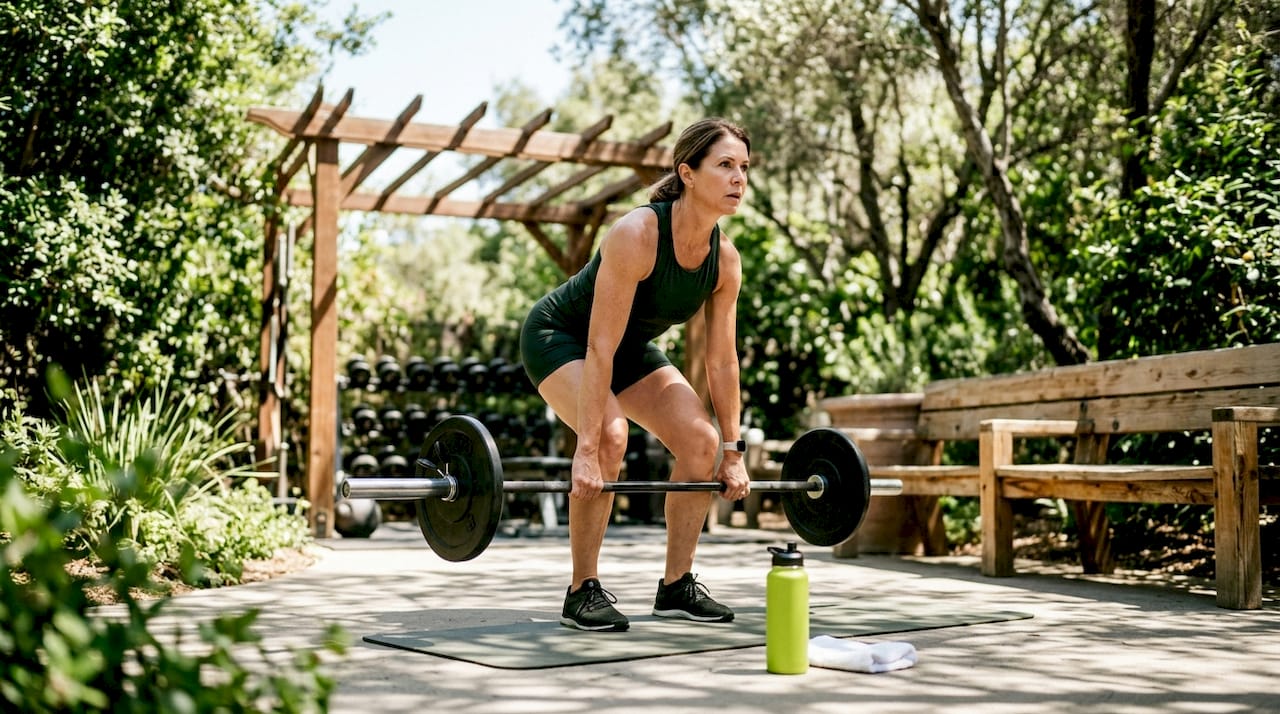
Strength training is the most evidence-backed intervention for extending both lifespan and healthspan by preserving muscle mass and metabolic function. Understanding how strength protocols support longevity means recognizing muscle not as a cosmetic asset, but as a metabolic organ that regulates blood sugar, reduces inflammation, and protects against frailty. Research from 2026 links 90–120 minutes of resistance training per week to a 13% lower risk of all-cause mortality. The American College of Sports Medicine (ACSM) now treats structured resistance training as a clinical priority for healthy aging, not an optional add-on.
Resistance training works through several overlapping biological pathways, each of which directly extends functional life. The most important is the role of skeletal muscle as a metabolic sink. Muscle tissue absorbs glucose from the bloodstream, improving insulin sensitivity and reducing systemic inflammation independent of weight loss. That means even people who do not lose a pound from strength training still gain meaningful metabolic protection.
The cardiovascular benefits are equally significant. Strength training is linked to a 19% lower cardiovascular death risk and a 27% lower neurological death risk at the 90–120 minute weekly volume. Those numbers reflect real reductions in the two leading causes of death in older adults.
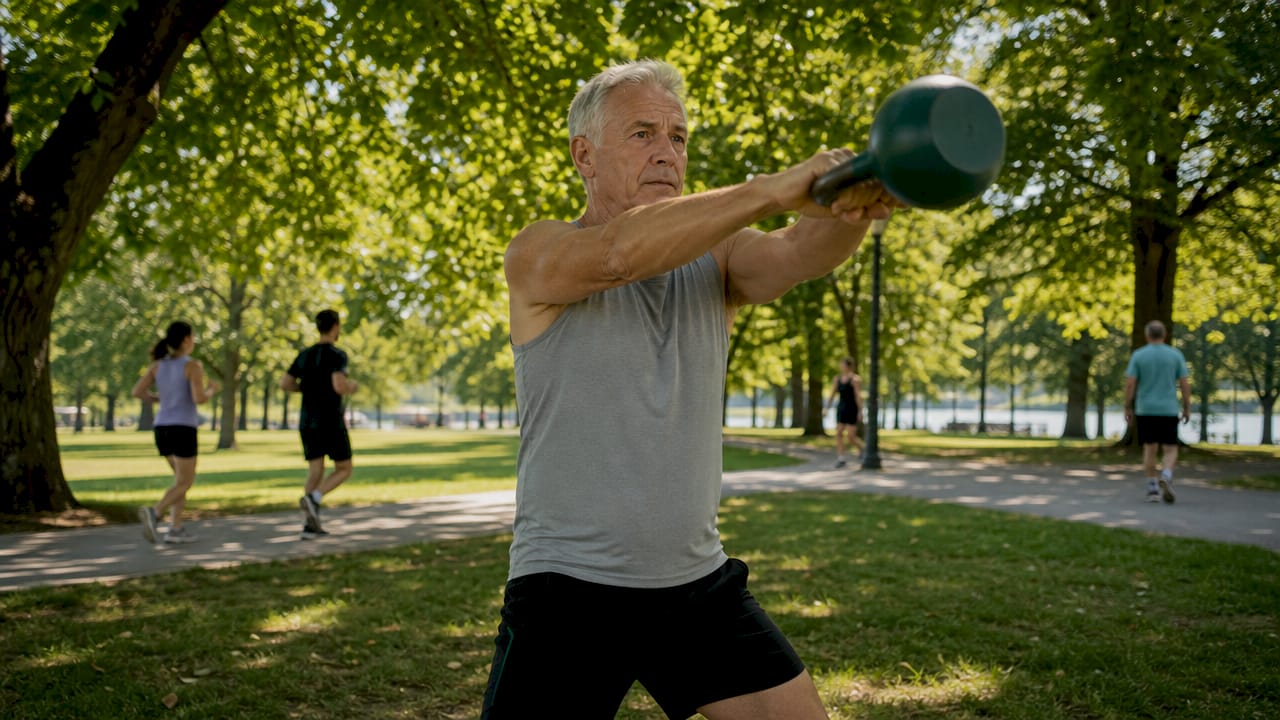
Neuromuscular health is the third pillar. Strength training trains the communication between your brain and your muscles, sharpening movement patterns and reaction time. This neuromuscular fitness protects against falls and cognitive decline, two of the most common threats to independence in later life.
The cognitive benefits deserve their own mention. Resistance training increases brain-derived neurotrophic factor (BDNF), a protein that supports neuron growth and protects against age-related cognitive decline. Strength training, in short, builds a better brain alongside a stronger body.
Key mechanisms at a glance:
Pro Tip: Pair your strength sessions with a short walk afterward. Combining resistance training with light aerobic activity addresses both muscular and cardiovascular longevity pathways in a single workout block.
The ACSM’s 2026 updated guidelines are the clearest evidence-based framework available. They recommend training all major muscle groups at least twice per week using loads at or above 80% of your one-rep maximum (1RM), for 2–3 sets per exercise. This recommendation comes from a synthesis of 137 systematic reviews covering more than 30,000 adults.
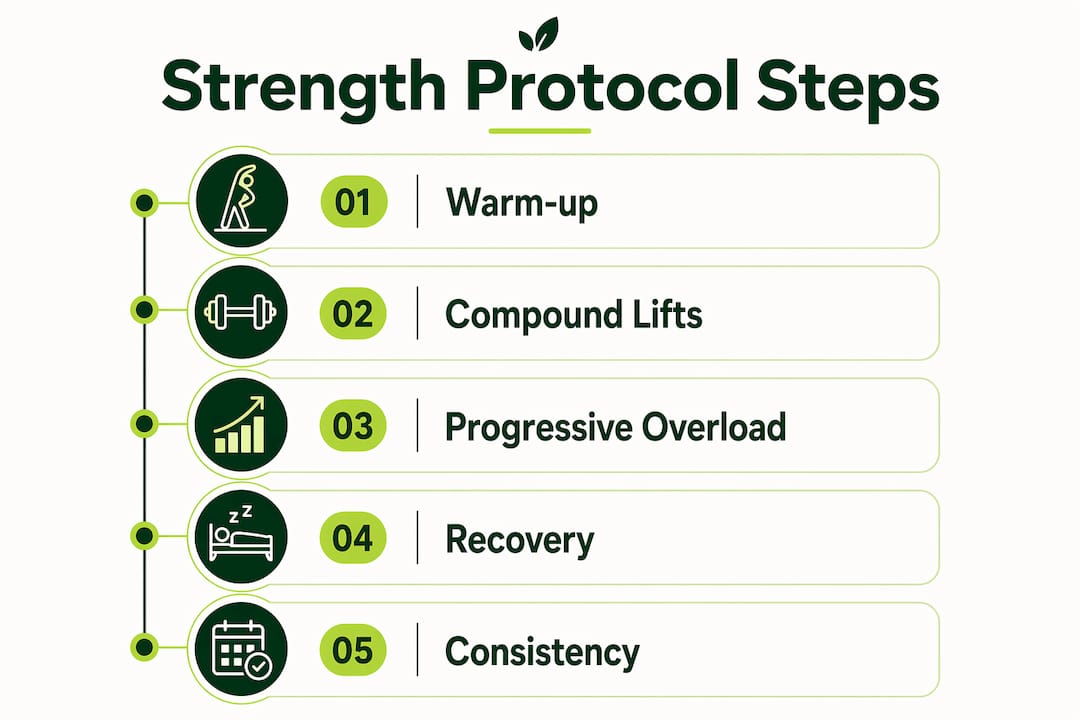
The weekly volume target is specific. 90–120 minutes of strength training per week produces the greatest longevity benefit. Going beyond 120 minutes adds no additional mortality reduction. That finding matters because it removes the pressure to train more and more. Two focused sessions of 45–60 minutes each week is the evidence-based sweet spot.
Structure your sessions around these principles:
Pro Tip: Early strength gains are almost entirely neural, not muscular. Visible hypertrophy takes 6–12 weeks to appear, but functional improvements show up much sooner. Stick with the program through the first month before judging results.
Traditional bodybuilding focuses on isolating individual muscles for maximum size. Athletic-style training focuses on movement patterns, coordination, and power. For longevity, the athletic approach wins clearly.
Compound, multi-joint, dynamic movements improve neuromuscular efficiency more effectively than isolation exercises. They train your body to move well, not just to look strong. That distinction becomes critical after age 50, when fall risk and movement quality determine quality of life far more than muscle size does.
Athletic training also incorporates lateral movements, rotational patterns, and power work. These movement types train the fast-twitch muscle fibers that atrophy fastest with age. Losing fast-twitch fibers is what makes older adults slow to react and vulnerable to falls. Training them directly is one of the most underused longevity strategies available.
Practical exercises that reflect the athletic approach include:
Each of these exercises trains multiple systems at once. That systemic demand is what separates athletic training from machine-based isolation work and why it produces stronger longevity outcomes.
Consistency is the single most important variable in any strength protocol for longevity. The best program is the one you can maintain week after week, not the most complex or demanding one. A simple, repeatable routine beats an elaborate plan that collapses under real-life pressure.
Building lasting habits requires attention to four areas:
Pro Tip: If you miss a session, do not try to make it up with extra volume the next day. Just return to your normal schedule. Overcompensating increases injury risk and disrupts recovery. Training quality always matters more than training quantity.
The mental side of adherence is just as real as the physical side. Set process goals, not just outcome goals. “I will train twice this week” is more motivating and controllable than “I will gain 10 pounds of muscle.” Process goals build the identity of someone who trains consistently, and that identity is what sustains the habit for decades.
Understanding how metabolic health connects to your training outcomes also helps you stay motivated. When you see strength training as protecting your metabolism, your brain, and your independence, skipping sessions feels like a real cost, not just a missed workout.
Strength training done consistently at 90–120 minutes per week, using compound movements and progressive overload, is the most evidence-backed strategy for reducing mortality risk and extending functional independence as you age.
| Point | Details |
|---|---|
| Weekly volume target | 90–120 minutes of resistance training per week links to a 13% lower all-cause mortality risk. |
| Train all major muscle groups | ACSM guidelines recommend hitting every major muscle group at least twice weekly with loads at or above 80% 1RM. |
| Athletic movement over isolation | Compound, multi-joint exercises improve neuromuscular efficiency and reduce fall risk more than isolation work. |
| Consistency beats complexity | The best protocol is the one you maintain. Simple, repeatable habits produce the greatest long-term gains. |
| Muscle is a metabolic organ | Resistance training improves insulin sensitivity and reduces inflammation independent of weight loss. |
I used to think longevity was mostly about what you avoided: bad food, stress, sedentary habits. Strength training flipped that model for me. The research is clear that building muscle is one of the most proactive things you can do for your future self, and the earlier you start, the more you have to work with as you age.
The mistake I see most often is people chasing complexity. They read about periodization schemes, deload weeks, and advanced programming before they have even established a consistent twice-weekly habit. That complexity is a trap. The ACSM’s 2026 guidelines are not complicated. Train your whole body twice a week, use heavy enough loads, and do it consistently. That is the protocol.
What I find most compelling about the longevity research is the ceiling effect. Beyond 120 minutes per week, the mortality benefit plateaus. That tells you something important: this is not about grinding yourself into the ground. It is about doing enough, done well, done consistently. Most people can fit that into their lives without restructuring everything.
Strength training also does not work in isolation. Pairing it with adequate protein, quality sleep, and attention to metabolic health optimization multiplies the benefit. Think of muscle as one pillar in a larger structure. Strong on its own, but far more powerful when the other pillars are in place.
Start where you are. Two sessions a week, basic compound movements, and enough protein. That is the foundation. Everything else is refinement.
— Eric
Strength training preserves muscle, but metabolic health determines how well that muscle functions over time. Oaklovesyou pairs physician-led weight management with lifestyle protocols designed to protect lean muscle mass while improving metabolic markers.

If you are using a GLP-1 medication like semaglutide or tirzepatide, pairing it with a structured strength protocol is one of the most effective ways to preserve muscle during weight loss. Oaklovesyou’s physician-led program includes guidance on exactly that. Visit Oaklovesyou to learn how their telehealth platform supports your long-term health goals with personalized, medically supervised care delivered directly to your door.
Research links 90–120 minutes of resistance training per week to a 13% lower all-cause mortality risk. Going beyond 120 minutes adds no additional longevity benefit.
Yes. Resistance training improves muscle mass, insulin sensitivity, and cardiovascular health at any age. Starting later in life still produces meaningful reductions in frailty and mortality risk.
Compound, multi-joint movements like squats, deadlifts, rows, and presses produce the greatest metabolic and neuromuscular benefits. Athletic-style training that includes balance and power work further reduces fall risk.
Muscle tissue acts as a metabolic sink, absorbing glucose from the bloodstream and reducing insulin resistance. This effect occurs independent of body weight changes, making resistance training valuable even without fat loss.
Strength training complements aerobic exercise but does not replace it. Both modalities address different longevity pathways. The strongest outcomes come from combining resistance training with regular cardiovascular activity.