

Prescription weight loss medications work, but they work better when your gut does too. GLP-1 receptor agonists like semaglutide and tirzepatide, along with metformin, all interact directly with the gut microbiome, altering bacterial populations, slowing digestion, and shifting hormone signals in ways that affect both how well the drug works and how comfortable you feel taking it. Gut health support on weight medication is not a wellness add-on. It is a clinical strategy backed by a growing body of research showing that what you eat, which probiotics you take, and how you structure your meals can meaningfully reduce side effects and extend the results you get from treatment.
The most common gut-related complaints on these medications include:
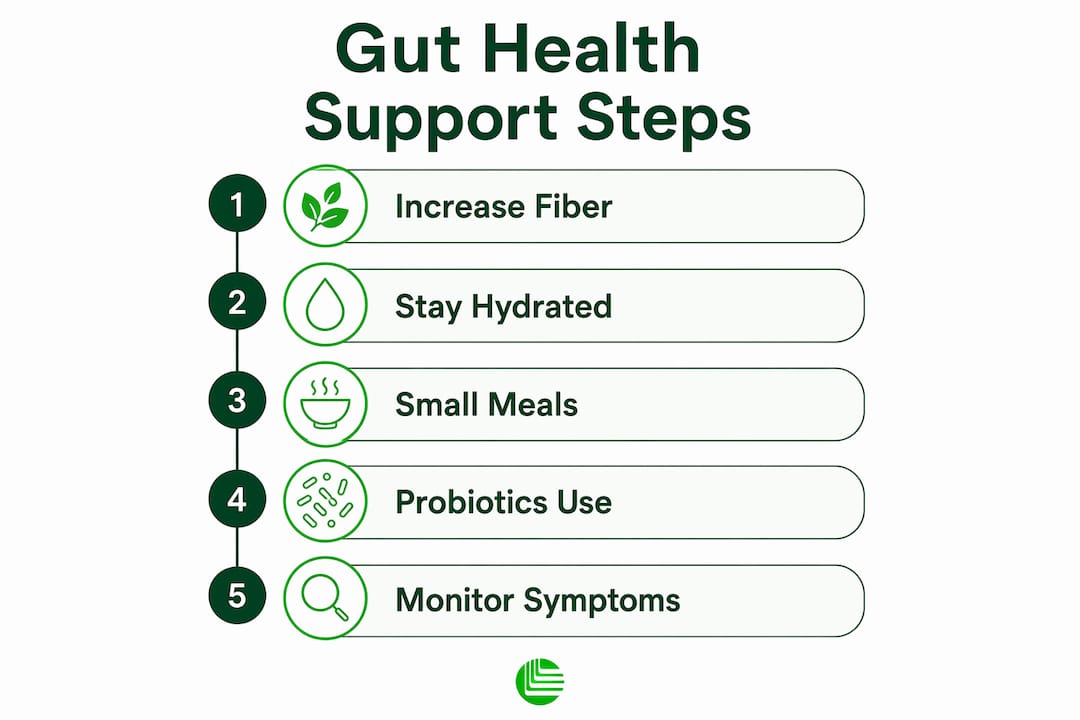
Dietary strategies that help include increasing fiber intake gradually, staying well hydrated, eating smaller and more frequent meals, and adding fermented foods like yogurt or kefir. Probiotic supplementation, particularly strains studied alongside metformin and GLP-1 medications, has shown real clinical benefit in reducing these side effects. Prebiotics such as inulin and fructooligosaccharides (FOS) feed the beneficial bacteria that these medications can deplete.
Pro Tip: Eat your largest meal of the day at least two hours before your medication peaks in your system. Smaller portions timed away from peak drug activity reduce the gastroparesis-like discomfort that delayed gastric emptying causes.
GLP-1 receptor agonists like semaglutide and tirzepatide act on receptors throughout the gastrointestinal tract, not just the brain. They slow gastric emptying, which is how they reduce appetite, but that same slowdown means food sits in the stomach longer, triggering nausea and bloating in many patients. They also increase the release of gut hormones like peptide YY and GLP-1 itself, which suppress hunger signals further down the digestive tract.
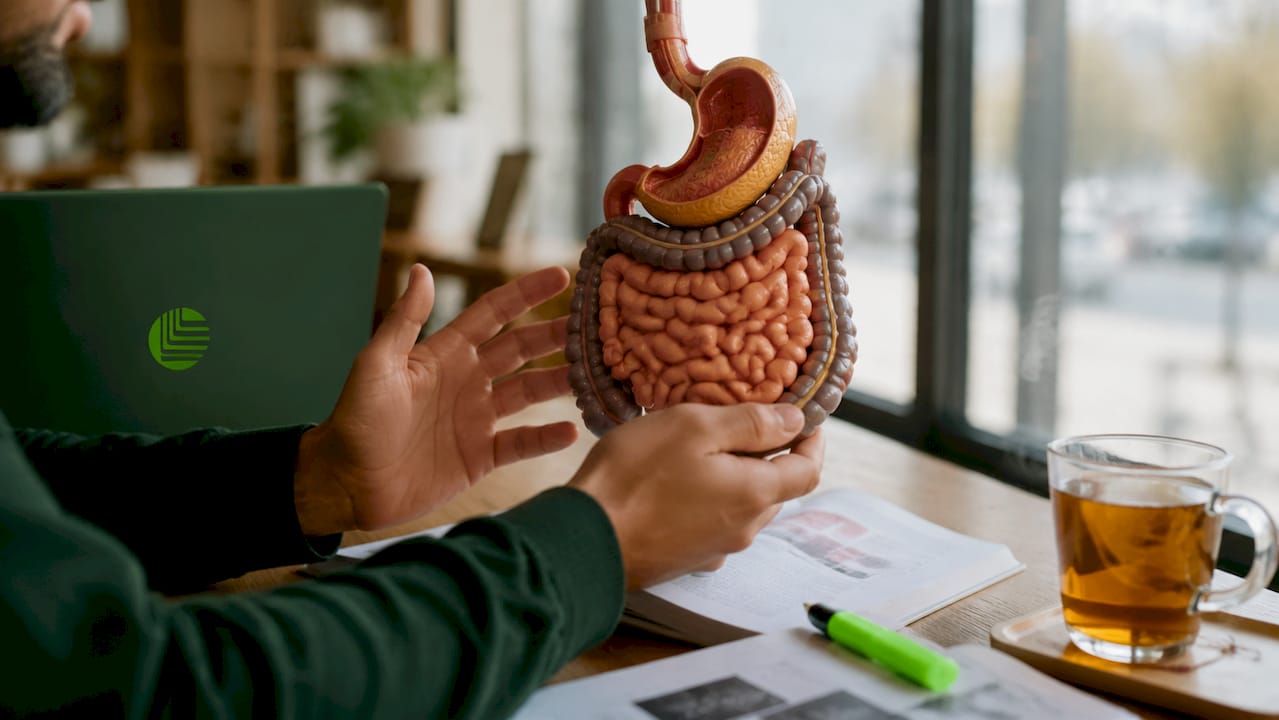
Metformin tells a slightly different story. It does not slow gastric emptying the way GLP-1 agonists do, but it alters gut microbiome diversity and function in ways that affect both its own efficacy and the side effects patients experience. Metformin increases short-chain fatty acid (SCFA) producing bacteria, which is generally beneficial, but it also disrupts other bacterial populations, which is why diarrhea affects a significant portion of metformin users. When metformin is combined with the prebiotic oligofructose, studies in adolescents with obesity found increased abundance of SCFA-producing bacteria like Bifidobacterium adolescentis and Blautia, alongside reductions in Firmicutes and Enterobacteriaceae.
Semaglutide’s effects on the microbiome are still being mapped, but animal studies have found consistent shifts in bacterial populations after treatment. Research by Feng et al. found that 12 weeks of semaglutide treatment increased populations of Akkermansia and Muribaculaceae while reducing Romboutsia and Dubosiella. These shifts suggest semaglutide may help correct the microbiome imbalances caused by high-fat diets, which is one reason researchers are now studying whether optimizing the microbiome before starting GLP-1 therapy could improve outcomes.
The bidirectional nature of this relationship is what makes gut health so clinically relevant during weight loss treatment. Your microbiome affects how much of the drug gets absorbed, how your metabolism responds, and whether you experience side effects severe enough to stop treatment. Conversely, the medication reshapes which bacteria thrive in your gut, for better or worse depending on what you do to support that process.
Nausea, constipation, bloating, and diarrhea are the four most reported gastrointestinal complaints among people on GLP-1 weight-loss medications. They are not random. Each one has a specific physiological cause tied to how these drugs interact with the gut, which means each one responds to targeted strategies rather than just waiting it out.
Dietary management is the first line of defense. Fiber should be increased gradually, not all at once, because a sudden jump in fiber intake on a gut already stressed by medication can worsen bloating. Soluble fiber from oats, legumes, and psyllium husk is gentler than insoluble fiber from raw bran. Trigger foods vary by person, but fatty, spicy, and highly processed foods consistently worsen nausea and bloating on GLP-1 therapy.
Pro Tip: Switch to 4–5 smaller meals per day instead of 2–3 large ones. Smaller portions move through a slowed stomach more comfortably, and keeping meal size consistent helps prevent the gastric pressure that triggers nausea on GLP-1 medications.
Nutritional counseling before starting weight loss medications gives clinicians a chance to identify pre-existing GI conditions that these drugs can aggravate. Patients with a history of irritable bowel syndrome, gastroparesis, or chronic constipation need a tailored approach from day one, not after they have already stopped taking the medication because the side effects became unmanageable. Pre-treatment GI health assessment is one of the most underused tools in weight loss pharmacotherapy.
The evidence here is stronger than most patients realize. A meta-analysis covering 679 intervention patients and 646 control patients found that adding probiotics to metformin therapy produced a 63% reduction in diarrhea risk, a 74% reduction in bloating, and a 44% reduction in constipation compared to metformin alone. These are not marginal improvements. They represent the difference between staying on a medication that is working and discontinuing it because the side effects are intolerable.
Specific strains matter more than generic probiotic products. The strain Limosilactobacillus fermentum GB102 has emerged from 2026 clinical research as particularly relevant for patients on GLP-1 medications. It does not just reduce side effects during treatment. It acts as a metabolic adjuvant, helping maintain weight loss after the medication is stopped, which is the phase where most patients experience rebound weight gain. That dual function makes strain selection a meaningful clinical decision, not just a supplement aisle choice.
Prebiotics work by feeding the beneficial bacteria that medications can deplete. Inulin and FOS are the most studied. Research shows that FOS supplementation increases Bifidobacterium and Lactobacillus populations, which in turn lower ghrelin (the hunger hormone) and raise peptide YY, a satiety signal. The practical effect is that prebiotics can reinforce the appetite-suppressing mechanism of GLP-1 drugs rather than working against it.
| Intervention | Primary benefit | Supporting evidence |
|---|---|---|
| Probiotics with metformin | Reduces diarrhea, bloating, constipation (diarrhea risk -63%, bloating -74%, constipation -44%) | Meta-analysis, 1,325 patients |
| Limosilactobacillus fermentum GB102 | Reduces GI side effects; supports post-medication weight maintenance | 2026 clinical research |
| Inulin and FOS (prebiotics) | Increases Bifidobacterium, lowers ghrelin, raises PYY | Multiple controlled studies |
| Synbiotics (probiotic + prebiotic combined) | Greater microbiome restoration than either alone | Clinical review data |
Synbiotics, which combine a probiotic strain with a compatible prebiotic, show greater microbiome restoration than either component alone. Oligofructose-enriched inulin combined with Lactobacillus rhamnosus and Bifidobacterium lactis has been shown to promote beneficial bacteria while inhibiting Clostridium perfringens. For patients on GLP-1 therapy, a synbiotic approach addresses both the bacterial depletion and the substrate those bacteria need to thrive.
One important caveat: probiotics complement pharmacotherapy. They do not replace it. The research consistently frames them as adjuvant therapy, meaning they work alongside the medication to improve outcomes, not as a standalone weight loss intervention.
Diet is where gut health support becomes daily practice. The goal is not a restrictive eating plan layered on top of an already appetite-suppressing medication. It is a pattern of eating that keeps the gut microbiome fed, bowel function regular, and nutrient intake adequate despite eating less overall.
Physical activity supports gut motility in a direct, mechanical way. Walking for 20–30 minutes after meals accelerates gastric transit and reduces the constipation that GLP-1 medications cause. Resistance training three times per week preserves lean muscle during caloric restriction, which matters for long-term metabolic health beyond the medication period.
Nutrient deficiencies are a real risk for patients eating less food for months at a time. Vitamins B12, D, and iron are the most commonly depleted. A baseline blood panel before starting medication, followed by monitoring every three to six months, catches deficiencies before they become symptomatic. Logging food intake with an app that tracks micronutrients and fiber, not just calories, gives both patients and clinicians a clearer picture of where gaps exist. GLP-1 patients often prioritize protein correctly but neglect fiber, which is the nutrient their gut bacteria need most to regulate hunger signals and maintain bowel function.

A practical daily structure might look like this: a fiber-rich breakfast with yogurt and oats, a mid-morning snack of fruit or nuts, a lean protein lunch with vegetables, an afternoon fermented food serving, and a light dinner with broth-based soup or fish. Meals stay small, spaced roughly three hours apart, and the largest meal falls well before the medication’s peak activity window.
Pro Tip: Keep a simple food and symptom log for the first eight weeks of medication. Patterns emerge quickly. Most patients can identify two or three specific foods that reliably trigger their worst symptoms, and eliminating those is faster than any supplement.
Getting a prescription for semaglutide or tirzepatide is one step. Having clinical support to manage what happens to your gut over the following months is another. Oak Longevity’s telehealth model addresses both through a single online program that does not require in-person clinic visits.
The process starts with an online health questionnaire reviewed by a licensed physician. If approved, compounded GLP-1 medications are delivered directly to your door. What distinguishes the Oak Longevity approach is what comes after delivery: physician-led dosage management, 24/7 support, and guidance specifically designed to address GI side effects as they arise rather than after patients have already considered stopping treatment.
The program pairs medication with strength and lifestyle protocols aimed at preserving lean muscle mass during weight loss. This matters because GLP-1 medications reduce appetite broadly, and without deliberate protein and resistance training guidance, patients lose muscle alongside fat, which undermines long-term metabolic health. Oak Longevity’s physician oversight catches this early, adjusting nutritional recommendations as body composition changes.
For patients who have struggled with GI side effects on weight loss medications before, or who have pre-existing digestive conditions, that pre-treatment assessment is where Oak Longevity’s model adds the most value. A physician who knows your GI history before your first dose can adjust the starting dose, recommend specific probiotic strains, and set dietary parameters that prevent the worst side effects rather than reacting to them after the fact.
The 24/7 support structure means that when nausea hits at 11 PM or constipation becomes a problem on day ten, there is a clinical team available, not a chatbot or a wait-until-Monday message. That kind of real-time access to physician-led guidance is what separates a telehealth program built around sustainable outcomes from one that simply ships medication.

If you are ready to start weight loss medication with gut health support built in from day one, Oak Longevity’s weight loss program pairs GLP-1 access with physician oversight and nutritional guidance designed to keep your gut functioning well throughout treatment.
Gut health support during weight loss medication treatment is most effective when it combines targeted probiotics, adequate fiber and hydration, and physician-led dietary guidance from the start of treatment.
| Point | Details |
|---|---|
| Probiotics cut metformin side effects | A meta-analysis found probiotics reduced diarrhea risk by 63%, bloating by 74%, and constipation by 44% compared to metformin alone. |
| Specific strains matter | Limosilactobacillus fermentum GB102 reduces GI side effects and helps maintain weight loss after medication ends. |
| Hydration targets are concrete | Drinking 2–3 liters of water daily combined with fiber-rich foods relieves constipation during GLP-1 medication use. |
| Meal timing reduces nausea | Smaller, more frequent meals timed away from medication peaks reduce gastroparesis-like discomfort from delayed gastric emptying. |
| Pre-treatment counseling prevents dropout | Nutritional assessment before starting medication identifies GI vulnerabilities and reduces discontinuation from adverse effects. |

.svg)



Get wellness tips, offers, and updates
in your inbox.
Call the clinic: 435-244-7757
By providing your phone number & email, you expressly consent to receive SMS, email, or Meta messages from Oak Longevity Holdings Corp., Flow Longevity Holdings Corp., Mito Health Holdings Corp., including both transactional communications (such as appointment reminders, prescription updates, order and shipping notifications, and customer support) and marketing communications (including promotions, discounts, product offerings, and program updates) across their affiliated brands and services. Message and data rates may apply. Consent is not a condition of purchase.
© 2026 Oak Longevity - All rights reserved.