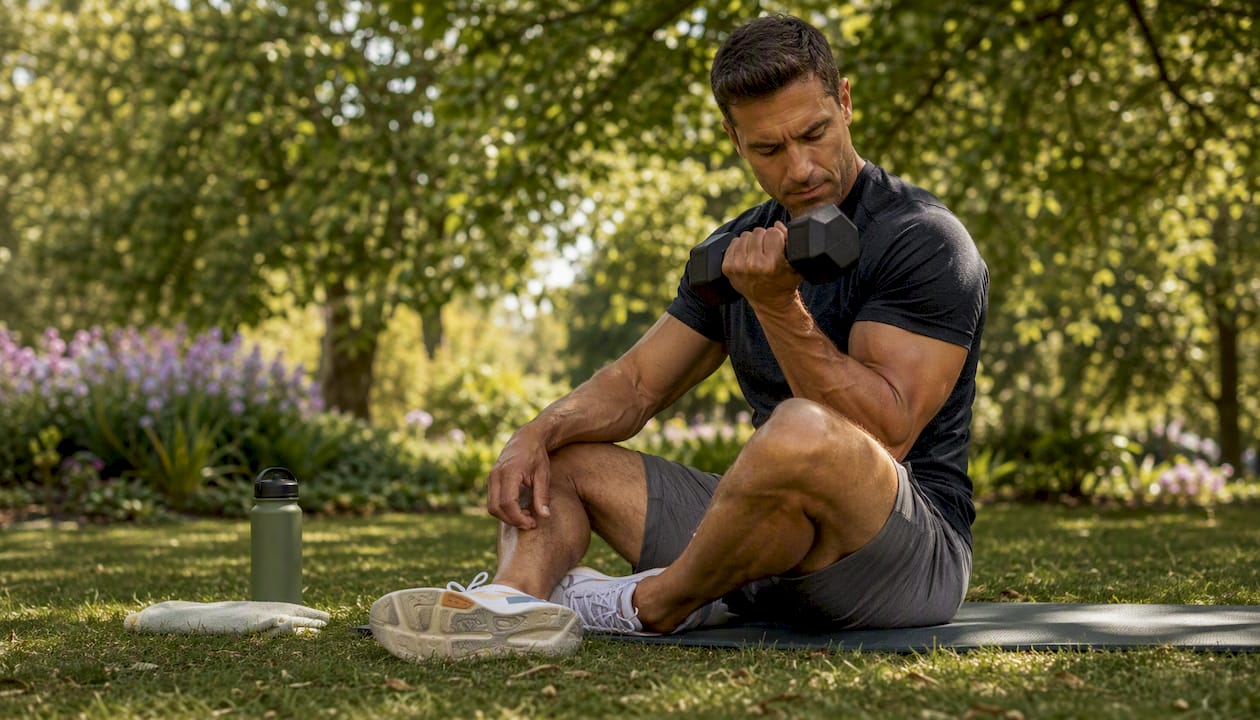
Preserving muscle on a GLP-1 comes down to one non-negotiable habit: resistance train 60 to 90 minutes a week while hitting 150 minutes of moderate aerobic activity (or 75 vigorous), backed by enough protein. Start light and build gradually. If side effects hit hard, loop in your prescriber before pushing through.
TL;DR:
- Resistance training should last 60 to 90 minutes weekly to preserve muscle mass while on GLP-1, with incremental increases in weight only after mastering proper form.
- Daily incidental movement, like walking and stair use, often decreases during treatment, making step-count monitoring important to maintain overall activity levels.
- Adequate protein intake of 1.0 to 1.6 grams per kilogram of body weight daily is crucial, especially on low appetite days, and protein should be evenly distributed across meals.
- Side effects such as nausea and fatigue require adjustable workouts, including lower intensity or shorter sessions, and medical advice if severe symptoms persist.
- Combining structured exercise with medication not only protects muscle but also improves cardiovascular fitness and appetite regulation, supporting long-term health during weight loss.
GLP-1 receptor agonists like semaglutide and tirzepatide produce dramatic short-term weight loss, but a meaningful chunk of that loss is lean tissue, not just fat, when resistance training is absent. That’s the core problem exercise on GLP-1 is meant to solve.
The clinical picture is more encouraging than most patients realize. A synthesis of exercise guidance for GLP-1 patients adapted from WHO, ACSM, and ADA frameworks found that structured training alongside medication does more than protect muscle: it improves cardiovascular fitness, glucose control, blood pressure, and bone health during rapid weight loss. Practitioners tracking outcomes in these programs have noted that absolute strength often holds steady even when scale weight and measured lean mass both drop, provided resistance training stays prioritized.
Exercise appears to work in the other direction too. A 1-year randomized trial found that structured exercise increased late-phase postprandial GLP-1 secretion by roughly 25% compared with usual activity after diet-induced weight loss. In plain terms, moving your body regularly may help your gut produce more of the same appetite-regulating hormone the medication mimics, which could support hunger control after tapering off treatment.
Fitness outcomes tell a similar story. A study comparing combined treatment against GLP-1 therapy alone found that exercise plus medication improved stair-climb time and peak oxygen consumption more than medication by itself. Medication changes the number on the scale; exercise changes what your body can actually do.
One nuance worth flagging: a systematic review and meta-analysis found no significant difference in structured exercise participation between GLP-1 users and control groups, but spotted a tendency toward reduced free-living activity, meaning fewer daily steps outside of workouts. One study reported a drop of over a thousand steps per day. Your scheduled gym sessions likely won’t suffer. Your incidental movement, the walk to the mailbox, the extra flight of stairs, might quietly shrink.
Key evidence at a glance:
Trials like the EXER-MED pilot are now testing exercise-plus-tirzepatide combinations directly against medication alone, which should sharpen these recommendations further in the coming years.
Build your routine in three stages rather than jumping straight to an ambitious schedule you’ll abandon by week three.
Two sample templates cover most schedules:
Beginner template (limited time or new to exercise):
Intermediate template (more capacity or exercise experience):
Increase weight on lifts only once you can complete every prescribed rep with good form; increase reps first if form is shaky. Build in at least one full rest day weekly, and two if you’re new to structured training.
Pro Tip: Track “reps in reserve” instead of just weight on the bar. If you could do two or three more reps than prescribed, it’s time to add load. This keeps progression honest even on days when GLP-1 side effects sap your energy.

Resistance training is the single most effective countermeasure against the lean-mass loss that comes with rapid pharmacologic weight loss, according to clinical guidance on GLP-1 and exercise. It works because mechanical loading signals your body to retain and rebuild muscle tissue even in a calorie deficit, something cardio alone doesn’t do nearly as well.
Template A: Two-day full-body split
Template B: Three-day upper/lower split
You don’t need a gym membership. Resistance bands, a pair of adjustable dumbbells, or standard gym machines all work fine, and machines are often the better starting point for anyone rebuilding confidence after time away from training. Structure every session the same way: five to ten minutes of warm-up, compound lifts first while you’re fresh, accessory work second, then a short cooldown.
Track more than the scale. Simple functional tests, a 30-second sit-to-stand count, grip strength if you have a dynamometer, or how many push-ups you can do with good form, reveal whether your muscle function is holding steady even during a big drop in body weight.
Pro Tip: Retest your functional numbers every four weeks, not every week. Strength changes slowly enough that weekly testing just creates noise and frustration.
Aim for 150 minutes of moderate aerobic activity weekly, or 75 minutes if you prefer higher intensity, per the consolidated exercise guidance for GLP-1 patients. Split it however fits your week: five 30-minute sessions, three 50-minute sessions, or short daily walks that add up.

Walking alone is genuinely sufficient for most beginners, especially in the first few months of treatment when energy and appetite are still adjusting. Add interval work, cycling, or swimming once walking feels easy and you want a bigger cardiorespiratory stimulus. Just don’t schedule hard cardio the day before or after your toughest lift days, since your legs and lower back need recovery time from both.
Given the tendency toward reduced free-living movement on GLP-1s, treat daily steps as their own goal, separate from structured workouts. A few practical levers:
These small habits offset the incidental activity that medication can chip away at even when your formal workouts stay on schedule.
Protein intake matters more on a GLP-1 than almost any other dietary variable, because appetite suppression makes it easy to under-eat the very nutrient your muscles need most during weight loss.
Target 1.0 to 1.6 grams of protein per kilogram of body weight daily, adjusting toward the higher end if you’re training hard or older than 50, when muscle protein synthesis becomes less efficient per gram consumed. Spread that total across three or four meals rather than loading it into one dinner. Aim for roughly 25 to 40 grams of protein per meal, ideally including one dose within a couple hours of resistance training, to support muscle repair when synthesis is primed.
When appetite is genuinely low, lean on energy-dense, protein-forward options: Greek yogurt, protein shakes, cottage cheese, or fortified smoothies pack more protein into less volume than a full chicken breast you might not have appetite for. Our guide on muscle protein synthesis strategies breaks down per-meal targets in more detail.
Pro Tip: Keep a running tally of protein sources you actually tolerate well on the medication. GI sensitivity shifts week to week, and having a short list of “safe” high-protein foods removes decision fatigue on low-appetite days.
Nausea, GI discomfort, and dips in energy are common in the first weeks of GLP-1 treatment or after a dose increase, and they can genuinely derail a workout if you push through them the wrong way.
Practical adjustments help more than willpower. If nausea is active, shift to lower-intensity movement like walking rather than skipping activity entirely. If dizziness or lightheadedness shows up, especially with dose changes, stand up slowly, hydrate before training, and avoid exercises with rapid position changes that day. If energy is unusually low, cut session length rather than intensity, or simply take the day off.
Certain symptoms are red flags, not just inconveniences. Contact your prescriber if you experience persistent vomiting, signs of dehydration (dark urine, dizziness that doesn’t resolve, confusion), severe abdominal pain, or symptoms of low blood sugar such as shakiness, sweating, or confusion, particularly if you’re also managing diabetes with insulin or sulfonylureas alongside your GLP-1.
One meta-analysis found that while structured exercise participation typically holds steady on GLP-1s, daily activity outside the gym can quietly decline, which is exactly why symptom tracking and functional retesting matter more than the scale during this phase.
Patients fixate on the scale because it’s the easiest number to check, but it’s the least useful one for judging whether a GLP-1 program is actually working long-term. A 30-second sit-to-stand test or a stable set of working weights tells you more about durable health than a pound lost this week.
The habit that separates people who keep results from those who regain them isn’t intensity, it’s consistency paired with accountability. Something as simple as a weekly check-in, whether with a coach, a training partner, or a logged spreadsheet, does more for adherence than any perfect program design. Pair that with daily movement goals, since the data on reduced free-living activity during GLP-1 treatment suggests the treadmill session alone isn’t enough.
What I’d tell any patient starting this process: don’t wait for motivation to show up before you start lifting. Build the resistance habit early, track function over vanity metrics, and let small daily walks fill the gaps your structured workouts can’t.
— Eric
Most GLP-1 programs stop at the prescription. Oak Longevity builds the exercise piece into the plan from day one, because a medication that helps you lose weight without a strategy to protect muscle just trades one problem for another.

The program pairs physician-led GLP-1 and GIP prescribing, including semaglutide and tirzepatide, with 24/7 support and lifestyle protocols designed to preserve lean mass and metabolic health alongside the medication. That means your dosage guidance and your training questions come from the same coordinated source instead of two disconnected providers who never talk to each other. If nausea is throwing off your workout schedule or you’re unsure how to time protein around resistance days, that’s exactly what the support system is built to handle.
Getting started takes a short online health questionnaire reviewed by a licensed physician, with approved prescriptions shipped directly to your door if you qualify. From there, the strength and lifestyle guidance layers in alongside your medication plan. If you’re ready to combine clinical oversight with a real plan for preserving muscle, start your consultation and see what your options look like.
This article is general information, not a substitute for advice from a qualified doctor. Consult a qualified healthcare professional about your own circumstances before acting on anything here.