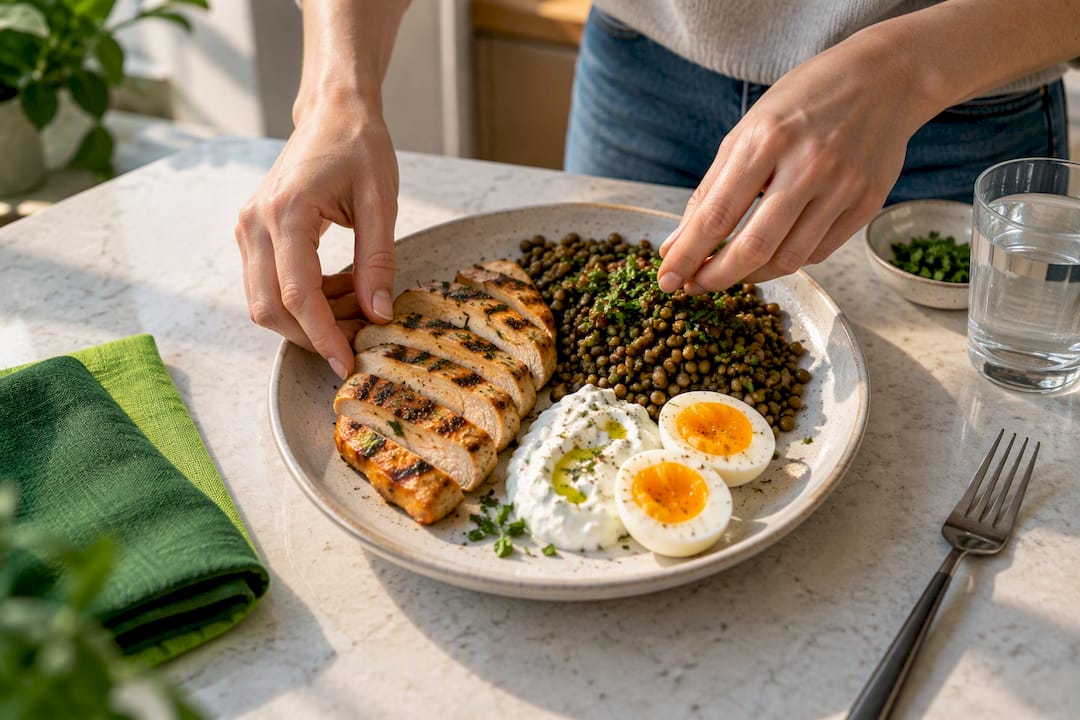
Yes, you can build or preserve muscle while taking GLP-1 medications, and it usually comes down to two levers: protein intake and resistance training. The ACSM’s 2026 resistance training guidance and JAMA Internal Medicine’s meal-level protein guidance both point the same direction. Start lifting on a schedule you can sustain, hit a moderate amount of protein at most meals, and loop in a clinician, ideally one like the team at Oak Longevity, who can adjust your plan as your appetite and strength change.
TL;DR:
- Maintaining muscle on GLP-1 medications relies on consistent resistance training, ideally at least twice weekly, with gradual progression and full-body workouts.
- Adequate protein intake, around 1.0 to 1.5 grams per kilogram daily, with 20 to 30 grams per meal, helps preserve lean mass despite appetite suppression.
- Functional assessments like strength and grip tests provide better insights into muscle preservation than DXA or BIA scans alone, which are affected by hydration and timing.
- Supplements like creatine, HMB, or leucine can support muscle retention but should not replace proper nutrition or training, especially in compromised health conditions.
- Close monitoring of strength, falls, and joint issues is essential, and working with clinicians ensures personalized strategies for muscle preservation during GLP-1 therapy.
GLP-1 drugs slow gastric emptying and blunt appetite, which is exactly why they work for weight loss and exactly why muscle loss on GLP-1 medications is such a common worry. Eating less, especially less protein, means the body has fewer amino acids on hand to maintain muscle tissue, and rapid weight loss of any kind pulls some lean mass down along with fat.
Here’s the part most people miss: the number on a DXA or BIA scan can be misleading on its own. A narrative review on lean-mass preservation found that these measurements shift with hydration, meal timing, and even which machine or technician does the scan. Pairing body-composition numbers with actual function tells you far more.
A 2026 review in the muscle-preservation literature backs this integrated approach: nutrition, resistance training, and symptom management working together, with regular check-ins rather than a single before-and-after scan.
Protein on GLP-1 is not a guessing game anymore. JAMA’s guidance sets a daily target of roughly 1.0 to 1.5 grams per kilogram of body weight for moderately active adults, and if you strength train regularly, aim toward the higher end of that range, closer to 1.2 to 1.7 g/kg per day. The bigger practical detail is meal-level: 20 to 30 grams per eating occasion, because the body can only use so much protein at once for muscle repair.
When appetite tanks, three tactics do the heavy lifting:
Protein powders and oral nutrition supplements are reasonable fallbacks when food alone won’t get you there, but they carry caveats. Anyone with kidney disease, low body weight, or frailty should run supplement use by a clinician first, since higher protein loads change differently for compromised kidneys. For more on timing protein around training, see this guide to muscle protein synthesis on GLP-1.
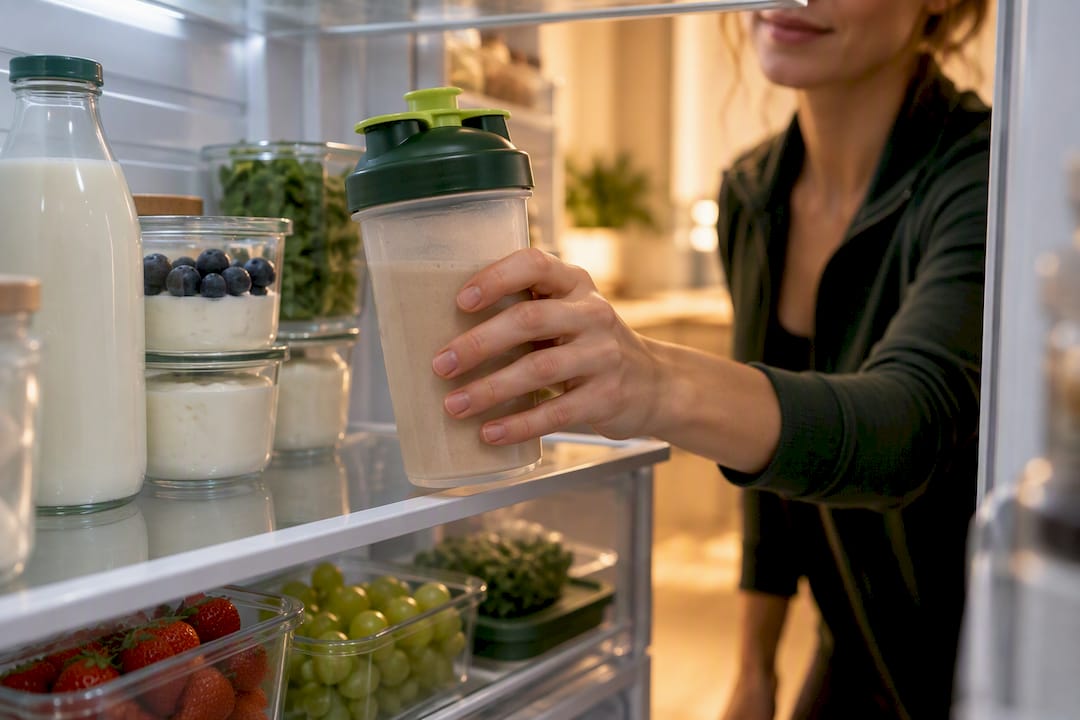
Pro Tip: Keep a single protein shake pre-mixed in the fridge. On low-appetite days, decision fatigue is often the real barrier, not lack of hunger for protein specifically.
Strength training on GLP-1 doesn’t require a gym membership or a bodybuilding split. The ACSM’s updated position stand calls for training every major muscle group at least twice a week, with a practical hypertrophy target of around ten weekly sets per muscle group, built up gradually rather than all at once.
Progressive overload is the mechanism, and it’s simpler than it sounds: log your sets, reps, and weight each session, then add a small amount, an extra rep, five more pounds, once the current load feels manageable. For strength goals, stick to lower reps (four to six) with heavier loads; for hypertrophy, aim for eight to fifteen reps per set.
Starting from zero counts for a lot here. ACSM’s own summary materials note that going from no training to any resistance training produces the biggest jump in strength and function, more than any later refinement to your program.
Pro Tip: If nausea makes standing exercises rough, try seated or supine variations, like a seated row or floor press, on your worst symptom days instead of skipping the session entirely.

For a broader look at how training fits into a GLP-1 plan, see Oak Longevity’s guide to exercise on GLP-1.
Creatine monohydrate remains one of the most studied supplements for muscle support, typically dosed around 3 to 5 grams daily, and it can help when training volume is inconsistent due to appetite swings. HMB and essential amino acids, particularly leucine, act as useful adjuncts when total protein intake falls short, but none of these replace food or training.
Discuss any supplement or emerging drug with your prescriber first, especially if you have kidney disease, are pregnant, or take medications that could interact.
Nausea, early fullness, and reflux are the real reasons people fall behind on protein and training, not lack of willpower. A few adjustments keep both on track during rough patches.
Function tells you more than a scale. Log your key lifts, a timed chair-stand test, walking speed, and grip strength every few weeks to see whether strength is holding steady even as weight drops.
If you repeat a DXA or BIA scan, use the same device and, ideally, the same technician each time. Otherwise, normal measurement variation can look like real muscle loss when it isn’t.
Any of these warrant a call to your clinician or a dietitian rather than waiting it out.
Preserving muscle on GLP-1 medications works best when medication oversight and strength coaching happen under one roof. Oak Longevity pairs prescribing and dose management with nutrition and training guidance, so muscle preservation isn’t an afterthought added once problems show up. Older adults or anyone with existing health conditions should loop in a clinician or dietitian for a plan built around their specific case.
— Eric
Oak Longevity offers prescription GLP-1 and GIP therapy without the need for in-person visits, paired with coaching support.
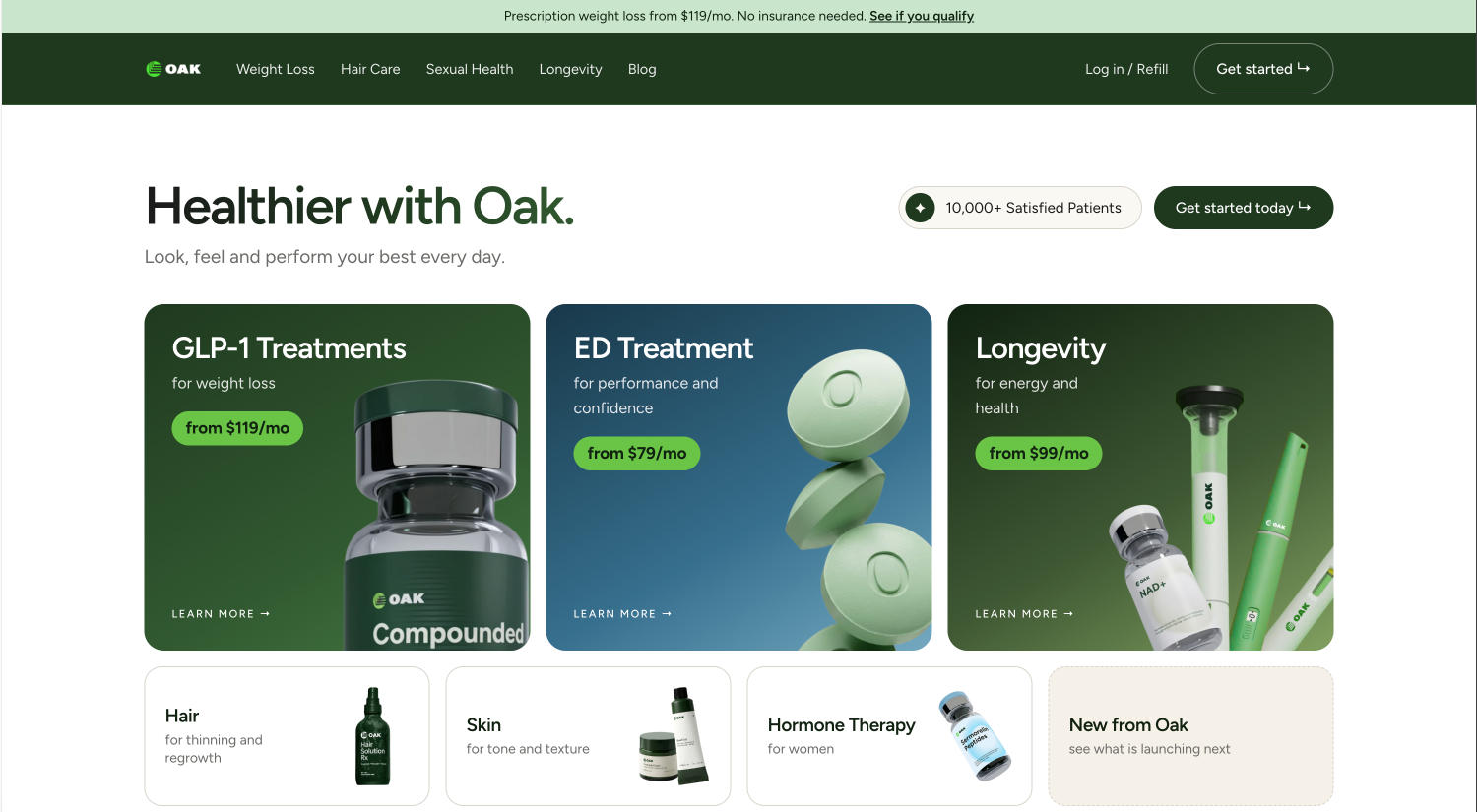
The process starts with an online intake form, reviewed by a licensed physician, no video call required. Once approved, your medication ships directly to your door, and you get ongoing physician-led support to adjust dosage as your body responds. Oak Longevity’s program includes health coaching aimed at the exact issue this article covers: protecting lean mass while the weight comes off, not just watching a number drop. Compounded semaglutide starts from $119 per month, and tirzepatide from $185 per month, both with free shipping and no hidden membership fees. If you want a plan that treats muscle preservation as part of the program rather than an extra you have to figure out alone, start your online consultation with Oak Longevity’s weight loss program today.
This article is general information, not a substitute for advice from a qualified doctor. Consult a qualified healthcare professional about your own circumstances before acting on anything here.
Yes, building muscle while on Ozempic (semaglutide) is achievable with adequate protein intake and consistent resistance training. The mechanism doesn’t block muscle growth directly; the challenge is usually reduced appetite making it harder to eat enough protein, which is why the JAMA guidance on 20 to 30 grams per meal matters so much here.
Some competitive lifters and bodybuilders have reportedly experimented with GLP-1 medications during fat-loss phases, though these drugs are approved for weight management and diabetes, not athletic performance. Anyone with significant muscle-building goals should work with a prescriber to structure protein and training around the medication rather than using it off-label without guidance.
The two biggest levers are protein intake and resistance training, done consistently rather than perfectly. Hitting roughly 1.0 to 1.5 grams of protein per kilogram of body weight daily and training major muscle groups at least twice weekly, per ACSM guidance, covers most of what a 2026 review recommends for preserving lean mass.
Yes, and it’s one of the most effective things you can do while taking them. Start with a routine you can tolerate on symptom days, bodyweight or bands work fine, then build toward the ACSM’s practical target of about 10 weekly sets per muscle group as your body adjusts.
Oak Longevity’s compounded semaglutide starts from $119 per month, and tirzepatide starts from $185 per month, both including free shipping. Exact pricing for other product lines is listed on Oak Longevity’s site.